Can Microsoft Partners Still Grow Alone? Why the Future Belongs to Connected Partners
Microsoft spent years telling partners to specialize. Now AI is pushing customers towards solutions that cross security, data, cloud, applications, and business strategy. So here's the question. Can any Microsoft partner really do it alone anymore? And if the answer is no, how do you build the trusted partner relationships you'll need before the opportunity lands on your desk?
Anthony Carrano:Our guests today believe the answer starts with a simple mindset shift. Stop asking what you can get from the community and start asking what you can give. Today, we'll discover how that philosophy has helped build one of IAMCP's mature chapters, created real business opportunities between partners, and even open up connections across Europe, Latin America, and beyond. Because as you'll discover in this episode, the future belongs to connected partners who collaborate, create value, and grow together.
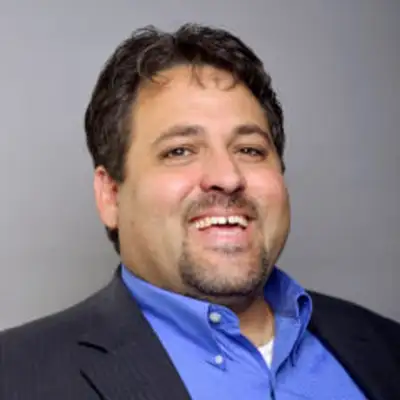
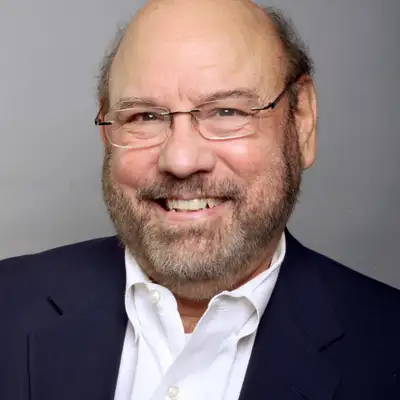
Anthony Carrano:Hello, and welcome to IAMCP Profiles in Partnership, the podcast that showcases how Microsoft partners and IAMCP members boost their businesses by collaborating with other members and partners. I'm your cohost, Anthony Carrano. And in each episode, we talk with some of the most innovative and successful partners in the Microsoft ecosystem. We hear their stories, learn from their experiences, and then cover the strategies they use to build stronger partnerships, create new opportunities, increase customer value, and grow their businesses. My guests today are Michiel Van Vliet and Rafael Vargas, leaders from the IAMCP Spain chapter.
Anthony Carrano:And this conversation gets to the heart of what IAMCP is all about. Both Michiel and Rafael share how the Spain chapter has built a culture around trust, participation, and partner to partner collaboration, and why they believe these principles are becoming even more important as the Microsoft ecosystem changes. We'll explore how they've created a thriving chapter, built high value partner events, generated sponsorships, connected partners across Spain and Latin America, and help members make sense of Microsoft's rapidly evolving priorities. We'll also talk about something every Microsoft partner should be thinking about. What does your business need to look like two or three years from now, and which partners will you need around you to get there?
Anthony Carrano:So whether you're an established IAMCP member, new to the community, or simply trying to understand how collaboration can become a genuine growth strategy, there's a lot to take away from this conversation. Let's get started. Mihiel, Rafa, welcome to the podcast. We're so glad to have you on today.
Michiel van Vliet:Thank you, Anthony. Great to be here. Excellent.
Anthony Carrano:Excellent. Well, for those who are not familiar and they don't know who you guys are, let's start off and maybe tell us a little bit about yourself, your company, and then even include a little bit about your journey into the Microsoft partner ecosystem.
Michiel van Vliet:Yeah, let me start, Rafael. So my name is Michiel von Vliet. I'm actually a Dutchman, but I've been living in Spain since the last century. In Spain, if you pronounce my name in the Spanish way, it's Michel van Bleert. So that's what I use to reserve restaurants and stuff like that.
Michiel van Vliet:So I've been involved with the Microsoft ecosystem since like 1995, at least the Windows 95 launch. It's a third party help desk outsourcer. Ended up running the global Microsoft at Unisys, then joined Microsoft in Spain as the Director of Services and did five years running the Partner Business in EMEA. Then Microsoft reorganized and things happened. And then I became GM of a Menace Partner, did that somewhere else, then went to another multinational.
Michiel van Vliet:And since about three years, I found myself basically three years ago without anything to do. And then I got phone calls from different partners like, hey, can you come and help me out? And I was like, well, I'm very expensive. No, but I don't need a piece of you, right? So basically, that's what I've been doing since.
Michiel van Vliet:I have three companies. Basically, is dedicated to like, it's like a mini Accenture for SMBs. The other one is where I personally help partners from strategy to operations, GTM, marketing. Basically, most of the time, bringing clarity to what they're doing, and that's in different ways. And I've just started a company that's more focused on helping partners with the operational aspects of the Microsoft Partner Networks and in Centrus, because there's a big need for that.
Michiel van Vliet:So I'm what they call in Spain, they would call a plurian player, which is multiple jobs. And basically things that I like, right? So that's a nice thing.
Anthony Carrano:Nice. Well, know, I chuckled when you mentioned about the name and the restaurants, because as my wife and I have talked about going to Spain, It's it's a good cultural tip. So, you know, rather than go by Anthony Carrano, right, I'll just go by Antonio Carrano. You know? And I'll I'll get great seats, it sounds like.
Michiel van Vliet:Yeah. I would say both your last name. Right? Rodriguez and Carrano, Spain. No problem.
Anthony Carrano:No problem. No problem. Excellent. Rafael, how about yourself?
Rafael Vargas:Okay. On my side, my name is Rafael Vargas. I have been working in the IT arena since more for for more than two decades, helping customer solve challenges around IT. Okay? Today, I lead the Allison Kuwait, which is part of Allison ITC.
Rafael Vargas:And my experience has been traveling, really. I've been working in Latin America, then in Europe, in America, The US, and right now here in The Middle East. So I was very close to the Microsoft ecosystem because I was a former Microsoft employee. And since then, I just got this close relationship. I joined the IAMCP and the reason is in the other side of this recording, which is Mikhail, he was chasing me when I when we left Microsoft, was chasing me just join.
Rafael Vargas:And, you know, I am not a true believer in this type of association. At the time I wasn't indeed. But at the end I joined it and I quickly discovered that the IAMCP is much more than just a networking. Okay. It is more a community where you build trust, collaboration and share success.
Rafael Vargas:It was a community where you really could be yourself and you could really could find trusty people to work with. So, I became every time more and more involved, and I wanted to contribute to strengthen the community and to help other partners experience the same benefits I have received. So, this is how I came in and started sharing inside the IAMCP.
Anthony Carrano:No. That's that's fantastic. And, you know, Michiel, I I don't recall yeah. I know you've been, you know, part of IAMCP for a bit. How did you first get involved, and what inspired you to take on a leadership role within the chapter?
Michiel van Vliet:Well, by accident.
Anthony Carrano:That's how it all happens for us all. And then you get roped in, and then you can't get out. Right?
Michiel van Vliet:Right. So that was 2017, and I got roped in as as vice president by the then president because somebody who knew Microsoft very well and had lots of relations at Microsoft. So said, sure, that's easy. And then the president disappeared not long after, so I ended up being the president. And I thought to myself, well, now that I'm here, let's make something of this.
Michiel van Vliet:So that was 2017. We were in a little bit of a downturn, so the membership had gone down for a while. We didn't have a lot of money in the bank. We basically did our yearly events where we lost money. Microsoft sponsored us at the time, which is kind of interesting because not a lot of countries have that, right?
Michiel van Vliet:And then Microsoft, the guy that ran the partner business, who used to work for me, then said, I can't do that anymore. You're kind of like a dying organization. It's not worth my money. So that's how I started. And then basically I decided to turn things around.
Michiel van Vliet:So we needed to make money. So we were one of the first countries to start with sponsorships. And it's probably interesting to go a little bit deeper on that as well. And then also what I did is, on the events, we made money instead of losing money. So we grew in membership.
Michiel van Vliet:We started communicating a lot more, doing a lot more stuff. And then when you get successful at IAMCP, then people ask more of you, right? So then I became EMEA president as well, and I joined the global board. And I didn't leave my Spain IAMCP role. At the end, was like a full workday, week at least.
Michiel van Vliet:And then my style is I'm a giver, right? So my wife says I give too much. I always think somehow that will come back in your life, in the world, right? So I like to help people, right? So same thing with companies.
Michiel van Vliet:And as Rafa said, right? So I think the importance here is the trust you generate, because we have been in existence in Spain for over twenty years. I've only been involved for less than ten years, but everybody knows each other. So there's this level of trust, which is extremely important. It's also a relatively open community, right?
Michiel van Vliet:So not everybody's fully open, but it's a good space to get the latest info to analyze, to criticize, to because we're Microsoft partners, that doesn't mean that we need to love everything that Microsoft does. So it's a good place to put things into perspective to understand, do I need to jump or how high, or should I wait a little bit more? And if you put all the people together, everybody has had different information. You bring them together, you get to a better level of information, right? So, as I said, by accident, and then I was there anyway.
Michiel van Vliet:I thought, Well, once I'm here, let's do some good stuff.
Anthony Carrano:No. That's fantastic. And something I'd like to hear from both of you is, you know, as you're obviously, you know, I was both very, you know, experienced, you know, and network, you know, professionally, but also very, very involved, you know, within, you know, IAMCP, you know, in a, you know, in a chapter that's, you know, very mature and respected. What would you say is what's the one thing people might be surprised to learn about your chapter that that they wouldn't otherwise?
Michiel van Vliet:Rafael, you wanna go first or
Rafael Vargas:Oh, if you allow me, I will refresh. Yes. I mean, I think many people would think that Microsoft Spain, it's primarily in Spain. And as I said before, we have this natural connection with Latin America. So in in reality, our members are increasingly getting international in that way.
Rafael Vargas:So we serve as bridge between Europe and Latin America, and that's something very important for for our partners, our subscribers, partners. And we also build stronger connection with our regions. Now that I'm working here in EMEA, there's a lot of our associates right now that are trying to communicate and see how they can extend their services to this region too. And this has just come because of the relationship we have inside the IAMCP. This is one thing that people really surprise, that diversity creates opportunities for many people and they don't expect that.
Rafael Vargas:I think this is something that really surprised them. That could be something very specific, but there are other things that, as I said before, I think we work a lot on collaboration. P2P, it's something that in many chapters just mentioned, but it's not really lived, you know. So, we lived a lot the P2P work because we are truly believers that in the near future, there is no one company that we could provide a set of services to their customers. Working together is something important.
Rafael Vargas:And that means giving our associates the meanings to gain this trust. And as Michiel said during our events, provide these meetings. There's a lot of one to one session when partners get to know together, get to work in that trust. Maybe it's not only that because there's the hurry and the time to relax later where they can just deep dive in a more personal way. And I think this is something that really surprised our MCA.
Michiel van Vliet:Have put Thomas on the P2P thing, but I think we go to that later, right? So, I would say the one thing we were actually I don't think we still are we were the richest chapter in the world. So, we had the biggest budget and the most money in the bank.
Anthony Carrano:There we go.
Michiel van Vliet:And when you have money, you can do things, right? So let's say And then it's difficult to spend money well as to get the money, right? So sometimes people are only focused on getting the money in, but you need to spend it wisely and well as well, which is also probably even more of a job than getting money in.
Anthony Carrano:Excellent, excellent. Thank you.
Rudy Rodriguez:Well, wanna start asking you some questions because I've had the, as a former IAMCP president internationally in The US, I've had the great pleasure of working with the Spanish chapter in the past. And so I wanna ask you some questions, you know, each because I know this about you guys. Each, every IAMCP chapter has its own personality and culture, and you guys have a lot of personality and a lot of culture. I know that. How would you describe your chapter and what makes it unique within the broader IAMCP community?
Michiel van Vliet:The great thing about being an IAMCP member is that an IAMCP partner in Spain has probably more in common with an IAMCP partner in Seattle and one in Chile than with his neighbor down the street, because we live the same experiences. So I think that's the value, and that's also the value that we have locally. What makes us different is Spain is a Latin culture, so we need to see and feel and touch. So it would be very difficult for us to purely do a lot of stuff online. It needs to be a mix of things.
Michiel van Vliet:So I think that cultural aspects, you have in Southern Europe and parts of the Middle East and Latin America is hugely important, right? So we need to see each other in the eyes. Then again, once you are in that trust zone, it's a lot easier to get things done properly.
Rafael Vargas:On my side, just to put some my my 2¢, I would I would describe the IAMCP as collaborative, welcoming, and increasingly international. As as we work bringing together established partner, innovative startups, and highly specialized company. What make us what I think it makes us unique is that we can connect this different ecosystem and create opportunities to extend between them and grow, which is not easy really because when you have different type of companies, different type of mindset, it's not easy to put them to work together. But I think we achieved this at the point we are right now.
Rudy Rodriguez:Let's let's kind of follow-up a little bit about on that, Rafael. So when a new member joins the chapter, okay, what do you hope or plan for their experiences in the first few months?
Rafael Vargas:I feel I want the new members. This is a perspective we try to push from the from the board. Okay? I want new members to feel that they have joined the community, that they are part of some of something that there's this sensation of pertain of pertinence, not a simply association. Okay?
Rafael Vargas:Within their first few months, they should meet trusted peers. They should discover how to collaborate. They should discover opportunities too. And I would love them to see tangible value from the membership. Okay?
Rafael Vargas:This is not just by working together, but by the activities we do, relationship we can provide for us, for strengthened links with Microsoft. New opportunities and relationship. That's what I want them to really experience.
Rudy Rodriguez:Mikael, as a former president, do you have any feedback on that?
Michiel van Vliet:Well, I would say we have the luxury of having a paid resource, which is kind of a business managermarketing person who does a lot of that onboarding. You need to do it programmatically, and you need to have certain steps in there, and you need to make sure that people get the info, are informed, know where to go. So I think that's a lot of blocking and basic blocking and tackling that needs to happen in these things. So if already do that, that's kind of 90% done. And then the other thing we always say to members, if you don't participate, there's no value.
Michiel van Vliet:We are not a hand holding, expensive association that costs you $5,000 a year and will give you everything on your plates. No, Spain is still very cheap. We still have the same member fees although it might change since 2006. It's €500 a year. So we even have not adjusted for inflation since about twenty two years or 2021.
Michiel van Vliet:But it's that, right? So you need to have the onboarding programmatic activities, you need to make sure that people understand that they need to participate, right? Because we have churn nearly, of course, like everybody. And the churn is basically because of two reasons, right? So either which happens a lot in the last years, is companies get bought by other companies, right?
Michiel van Vliet:So instead of three members, we all of sudden have one member, right? Because they get bought. And the other one, people that say, Hey, I've seen no value, is because they haven't participated in anything. And if you don't participate, there is no value.
Anthony Carrano:That's so powerful. You know, you both have talked quite a bit about, you know, the word relationships has emerged just, you know, early and often here in this conversation. Obviously, you know, we've we've discussed, obviously, one of the, you know, the key strengths, you know, is fostering, you know, meaningful relationships. And I'm actually I like you guys to answer this. There there there's two ways.
Anthony Carrano:I want you to think about this both locally, so within Spain, but then also, you know, I was thinking about, you know, know, Rafael mentioned about the the the connections building with LATAM, and so I want you to answer it that way as well. So you have have two stories, basically. Two stories of connection, Partnership or collaboration, right? That emerged through your chapter and created real business impact. And so I'd like to hear a story again, you know, about Spain, but then also the collaboration with IAM.
Michiel van Vliet:So let me go first there, right? So I think I've used the example in the past, right? So for us, a key moment was when we got connected. So Arrow connected with me, and they were trying to grow their Microsoft business in Spain. They had an extra Microsoft consultant former in Microsoft employee.
Michiel van Vliet:They didn't get anywhere, right? So they came to, actually through LinkedIn to me. So I sat down with them a couple of times, did some pre consulting since I'm a giver. And then they came on board as a member. And then we kind of said, well, why don't you become a sponsor?
Michiel van Vliet:Because we can do these and these and these and these things, right? So they became a sponsor and they were our first continuing sponsor, right? Because it's relatively easy to get sponsors specifically for events. It's more difficult to get ongoing sponsors based on a calendar of yearly activities. And that kind of was a very important moment in time for us because what happened then is the other distributors got FOMO, right?
Michiel van Vliet:So we did a lot of stuff with Arrow and then the other one. And TD Synagogue, oh, hey, I want to do that as well. Can I become a sponsor? Sure. And then we got, you know, other distis in there and other vendors.
Michiel van Vliet:And then all of sudden we had to create a platinum category. For us, for me, that was kind of like the key starting point of making the IAMCP profitable and make sure you have more money. When you get in, you can do things. If you only depend on membership fees, you don't get very far because you have to stick to the neck thing as well. If you don't have a fully dedicated or half FTE person who does the admin, does the business management and does the marketing, it all falls down on the spare time of volunteers.
Michiel van Vliet:Sometimes they have spare time, sometimes they don't, sometimes they disappear because they get a new job. Basically, that's the thing. You need the money to get the paid resources and then you can do the programmatic stuff. The best way to get money is to get sponsorship. And sometimes I see a lot of chapters are very shy there.
Michiel van Vliet:Like, well, how can we get sponsors? Well, because you have the Gram, the Lecraimo and Microsoft Partners in here. It should be interesting. It should be interesting for sponsors. So that for me was like a key moment.
Michiel van Vliet:Rafa, your turn.
Rafael Vargas:Well, I think that's the most powerful example, really, because it shows that it not only works for partners, it works for resellers, vendors. Okay? So, it's a very powerful story. Talking about how we benefit partners, want to speak with my personal experience, really. Started after Microsoft, I started with a very small company just delivering cybersecurity services in the Microsoft ecosystem.
Rafael Vargas:And then I knew I met inside the IAMCP, I met Paco Rosionero. Your guys met Paco already. And since then, we have been working pretty close. So now we have the two companies. He does data.
Rafael Vargas:I do cybersecurity. Cybersecurity have no sense if they don't have data to protect. Data don't have too much sense if we don't have the means to protect that data. Okay. Within this, we are working very close with Mihil too in another sense.
Rafael Vargas:And then if you want to expand, we are just service providers, but we needed an ISV to deliver part of our services. Okay. And then it comes that in Colombia and in Costa Rica, I had these connections and start just growing in that sense. So, contacting these people and just engaging in certain types of projects and then growing as a good team to deliver specific. And then these partners back in Latin America calling us for the data or for cybersecurity services to deliver with them.
Rafael Vargas:So, this is my personal experience. Think it's a very rich experience from a small starting point, which is a very small company. We were a company of two, three people, and we get this relationship with a more bigger company, and then we have this relationship with a kind of corporate company back in Latin America. Okay? And this is how we all joined.
Rafael Vargas:I think it's, as I said, two very strong models. It's just not inside Spain. It's not just based on partners, based on other type of providers like Arrow and the others that came later on.
Anthony Carrano:Well, you know, it's interesting. I you know, you both have also talked you know, it's kind of fits with this relationship, you know, theme. I know, you know, you have heard, you know, these reoccurring words about, you know, in order to really get value, right, you gotta participate. Right? You gotta get involved.
Anthony Carrano:So and I know just in, you know, talking with, you know, other other chapters and, you know, and members, that that's a challenge because a lot of times, you know, what, 80% of the work falls on they say, what is it? 20% of the people? I'd say it's probably even less than that. How do you guys encourage members to move beyond networking, right, and to start actively contributing their expertise into the community, into the chapter?
Michiel van Vliet:Yeah, and you're completely right there, right? So sometimes with three, four very active and generous people, you can get a lot more done than with 20 medium active, right? So But it is a lot of work. So I would not say that members are sharing a lot of their expertise. We've been trying these things in the past with the business circles that they've done in Germany, which in Germany works pretty well.
Michiel van Vliet:In Spain, it hasn't worked. So it sounds that we are perfect, but we still have a lot of things to learn and to improve upon. So one thing is expertise sharing. And again, the expertise that needs sharing is basically more business expertise than anything else, right? Because the technical already provided by Microsoft, by learning partners.
Michiel van Vliet:It's all where you artificial intelligence, right? So it's more sharing of experiences. Then also I was involved the last two years. We run something which is called Partner Business University, where we take partner CEOs through this mini MBA on all of Microsoft strategy, Microsoft incentives, Microsoft field organization, how does it work, and help them build their plan. So that's what we organize out of IAMCP.
Michiel van Vliet:So I would say the expertise that people bring to the table is the sharing of their business knowledge and what they've learned, what worked in the past, and sharing specific technical expertise, I don't think IAMCP would need to do that because there's lots of stuff or there's probably too much stuff already out there. Sometimes have a challenge of bringing clarity into everything that's out there. And then the same thing, we have our events and then people have comments and remarks and suggestions, I very quickly learned the answer to that is, Hey, you want the IFB to do this? I'll create a committee for you. Gonna be here to make your money.
Michiel van Vliet:Come here and do this. And then one in 10 will say, Okay. And the other nine will fill their seats. And that's the way it is.
Rafael Vargas:On my side, I always say that in order for to motivate our our I mean, Micheal is not the Latin America. We we have the Latin America blood, you know, and we are not really associative. We are not really collaborative as that type of people. So, I think people like Micheal and people like others inside the the IAMCP have made this possible because I think we are leading by example. People need to understand that they have to react, they have to participate, and they have to trust.
Rafael Vargas:Otherwise, there is no way they can they can grow. But if they don't grow, please don't say it's our fault because we are providing the minutes for you to do it. And not only providing the minutes, but we are trying to lead by example. We have done and we have shown you that how we can can grow. The simple fact that me being here in Mia, the simple fact that Micheal works very close with PACCO, with me and with other partners indeed inside the association and outside shows them that we are able to do it.
Rafael Vargas:But obviously we need to have the mindset to achieve that.
Michiel van Vliet:On P2P, right? So it depends on the openness of the owner of the company or the people involved. So if you are open, transparent, you're a giver, they do P2P. People that only come there for their own, Oh, see what I can get out of this? Right?
Michiel van Vliet:Won't be successful.
Anthony Carrano:So you both talked a little bit about growth for members. What challenges are you guys seeing that Microsoft partners in your region are facing today? And how is your chapter, in particular, helping members navigate those challenges?
Michiel van Vliet:Yeah, that's a very good question. So, think the old challenge has been Microsoft has been so a couple of things around Microsoft. Microsoft has been reducing the amount of managed partners over the last ten years, very dramatically. And last year, they did this big reorg, the biggest since 2017, where kind of back to 2017 model, right? Within SMS and P, corporate SMB.
Michiel van Vliet:And so it's very separate in our enterprise and non enterprise, and it's much more of a self-service model for partners. So Microsoft also took out a lot of headcount. They said that, hey, we're doing this because there's no upward demand. Then again, lot of managers disappeared and people start reporting into different countries. So they take out a little headcount.
Michiel van Vliet:So for partner, it's more and more difficult to know who to talk to at Microsoft. And the other thing that happened is Microsoft for more than a decade has always said, specialize, specialize, specialize. You can't do everything. And now they have the frontier model, which is like, oh, you need to do everything because otherwise you're not important anymore. So we're We're pinging back into that other direction, which will lead to lots more M and A as well.
Michiel van Vliet:So what we're trying to do is bring clarity with these things, like with Partners Business University. I would love to do a lot more stuff like bringing clarity in incentives and those kind of things, but we currently don't have, let's say, an existing service for that. So a lot of this happens when we have an event and people talk about things and then they get clarity. So I would love to do a lot more here because there is space to do a lot more. Then again, Microsoft used to They had these fee dashes, right?
Michiel van Vliet:These subcontracted resources to help onboard partners. That disappeared and now they have moved a lot of money into the distributors to do that. But the distributors are challenged because the distributors have less and less, but they're still very reactive model. They used to be transactional reactive people. And now they're supposed to take over a lot of that activity that Microsoft did sell before, which has its challenges.
Michiel van Vliet:So I think there is a less and less love for Microsoft to its partners. More and more is online, and more and more is generic programs, less and less physical people to talk to. So that's the void for That's where IAMCP can be an important player.
Anthony Carrano:Are there any specific resources, conversations, or programs that you think members will find particularly valuable?
Michiel van Vliet:So the standard answer for specifically if you are a non managed partner is just look at the incentive programs. So the incentive guide is very impressive. There's like two fifty pages PDF with lots of details. So first of all, you need to know where to find it. Then you need to kind of figure out how it works.
Michiel van Vliet:And then you need to kind of understand, okay, it's not that complicated. So challenge I see is that a lot of so you either have dedicated headcount at a company looking at this. Otherwise, it's very difficult to keep abreast of things and understand what's happening. And then the other challenge is I see companies that have dedicated headcount to this, but in most cases it's admin headcount. So it's not connected to the business or the practice leads or the sales leads.
Michiel van Vliet:Right? So there's no conversation happening from like, hey, maybe I should change my go to market in this way, and that way I can use more incentives, right? And then at Microsoft, especially in Microsoft Spain, very few people that deeply understand incentives, right? So directly you go to, you know, it's either a VDAS or it's outside of Spain. I'm not sure.
Michiel van Vliet:Rafi, you want to add something to that?
Rafael Vargas:No. It's clear as water, what you said. Yeah.
Anthony Carrano:Well, excellent. Thank you for sharing that. It's a lot of I mean, we could probably spend another hour just talking about relationships and the programs and navigating some of those challenges. Sort of give us cause to to have you back on and talk about some of that, but I think we wanna kinda jump to because I know you guys are doing a lot of really cool things around events and other activities. Rudy?
Rudy Rodriguez:So I'm kinda you know, you've you've got my mind working. That's you know, give you a little background. I've been around IAMCP for thirty years now. So I've seen the ups and downs throughout IAMCP. And you've got some great ideas on events and activities.
Rudy Rodriguez:So your chapter hosts a variety of events and activities, and you mentioned the Partner Business University, things like that. So, questions I have, which programs have you run or has your chapter run that have had the greatest impact on the members and why?
Michiel van Vliet:I'm not sure if it's programs or events, right? So we spend a little time on our yearly event, right? That's basically our main thing, right? So it's a two and a day event, but we spent only nine months preparing for this, And you also have to spend a lot of money upfront because you have to reserve the hotel and all the stuff. So it's an expensive exercise.
Michiel van Vliet:It's a cash flow negative exercise, right? You get to the members paying their entry fee. So that's kind of our key main event. Then we have one other event, which is our UB assembly, which is most of the time in the March timeframe, which is a full day as well. So it's not three days, it's a full day.
Michiel van Vliet:That's in Madrid most of the time. And we always have Microsoft people and speakers there and all the people in the partner team. Then we have based on what we have with our sponsors, we have different activities sponsors, so it's webinars, but it's also lunch meetings. So lunch meetings are discussed on certain topics, which is sponsored by a sponsor, five, six, seven, eight people there. And we have done a lot of programs and activities in the past.
Michiel van Vliet:So for example, just when COVID hit, we set something up, which is called Everybody From Home, where we set up basically a separate company with Microsoft in three weeks to make sure that we had like 100 partners behind the call center ready to help SMBs to get online. So we kind of changed the way we worked in Microsoft from, sure, you're not giving us money, but if we do these activities or these programs, you give us money? The other thing we did is we had several education programs where the Microsoft education leads said, Hey, can you guys maybe lead the full, be the prime contractor for this through Learning Partners? Which was kind of a big decision at the time because it was a 300 ks risk, which is a big risk for a chapter like ours. We could be a lot more programmatic around the things we do.
Michiel van Vliet:I would love to be more programmatic. We probably need to get more resources in. Our new president, his big plan is to professionalize the IAMCP Spain more, which means getting more sponsors in, which means higher member fees, which means maybe getting professional director in to lead the chapter and things like that. That's kind of our next phase is, okay, how do we So we're kind of this nice space right now where we have the money, we know the people, we have a stable amount of members, we grow a little bit, but ideally, and I launched this years ago, I haven't mentioned it, ideally we want to grow 5x, right? Because if you look at Microsoft Spain has 10,000 plus partners, or maybe close to 15,000.
Michiel van Vliet:If you look at the former covert and silver partners, it's about 800, All those are potential IAMCP members. So we should be aspiring to go up to probably a thousand members, right, instead of being at our 140 heavy members, which is small. Right? So, it may Rudy, it might look that we are doing so much stuff. I'm not sure we're doing so much stuff.
Michiel van Vliet:Right? We're doing the stuff we're doing well. We could do a lot more.
Rafael Vargas:I would say that I would add, we cannot say, because we have done a few activities and we continually discuss new activities. I think the most important behind this is the idea. It's not what the most important impactful program we have. It's what how we think the programs. And for us, I think that the idea is that we need to think that an impactful event and in fact, more program would be the one that create meaningful conversation and real opportunities to our partners.
Rafael Vargas:So this is the late motif behind. So if we create based on that, we will ensure that we will achieve the objectives. And that's why we want to continue professionalizing the IAMCP and continue working leading by exam.
Michiel van Vliet:So I disagree a little bit, Rafa, there, right? Because having ideas is easy. I have 20 in the shower every morning. Executing them is a challenge, right? And getting people to help execute those.
Michiel van Vliet:That's the ongoing challenge in IAMCP. And I've seen this in multiple chapters and then I've seen new people coming in with ideas and then those people disappear three months later. And I said, well, that's kind of ideas I've heard ten years ago. So I'm much happier with doers than with thinkers.
Rafael Vargas:No, no. What I'm saying is just the idea behind every single activity we plan. And then what I said, leading by example, don't let anybody come and say, I have this great idea. Okay. Come and do it.
Rafael Vargas:You don't. Okay. So we will continue with our road ahead, which is we want to create meaningful conversation, real opportunities for our partners. And those are the activities that we are going to generate. And that idea is what we have right now.
Rudy Rodriguez:Well, gentlemen, I love the vision and ambition that you guys are sharing, but to the point of, you know, your goal is really to execute well, and that's very, very important as an IAMCP leader. And so I'm going to ask you a question about the things that you've worked on and led on the past year. So looking back over the past year, so twenty five to '26, what is the chapter achievement or initiative that you're most proud of?
Michiel van Vliet:Rafael, you want to take that one or you want me?
Rafael Vargas:I will leave the H before the beauty to answer, please.
Michiel van Vliet:No, no. So That's the original Illuminate in EMEA started in Madrid in 2019. And last year there was a challenge of finding a host country. So we stepped in kind of last minute based on our existing Spanish event. And although there were some small things that didn't work out, we had like an average satisfaction of, you know, 4.6 out of five or 4.7 out of five.
Michiel van Vliet:We had like 90 people or 100 people from abroad plus 200 people from Spain. And everybody was really, really happy, right? Because we always So I always say, hey, we do the best event in EMEA, maybe worldwide. Then people didn't believe me. But then, you know, Elena came over.
Michiel van Vliet:We invited her. Come over, we pay for you to come over. Then Elena was mentioning to me, I was like, Wow. And then the people came last year were like, Wow. Our event is really a VIP partner event.
Michiel van Vliet:We have been running this at the same level for the last couple of years. I'm proud of that, that we are continuing to make sure that we run events at that level. Everybody who comes to our events repeats. So we grow every year a little bit because then we have, you know, sponsors repeat, people repeat. For us, the challenge is to get new people to the event.
Michiel van Vliet:Once we have them in the event, they all go, Wow, best Microsoft event. We had a guy from The US over partnered last year who kind of joined us by accident. He's like, Oh, I've got an event in Spain. Well, let me try because I'm already in Germany. And he was really, really enthusiastic.
Michiel van Vliet:He said, this is the best partner event I've ever been to. So I think we're very proud of our event and maintaining it at that level. And then the interesting thing is, I'm not sure if I'm proud of this, but the interesting thing is we changed presidencies this year. So we actually had two different candidacies for the first time in our history, which was kind of interesting because sometimes people make things too personal or have other ideas. And then the interesting thing is when I took over and it was in a very bad situation, not a lot of money in the bank, there were no volunteers for a second candidacy.
Michiel van Vliet:Now that everything is smooth and we have professional help and we have money in the bank also, there was an interest in doing this. So I probably should see this as a positive thing. That means that there's interest from other people to maybe do things even better. But I think for me, thing is the level of our event. Right?
Michiel van Vliet:Rafa, I suppose you're going to take it.
Rafael Vargas:I would say that this is our heart, I mean, because this is where I I think everybody's expecting the event. We do certain activities like roundtables, meetings at Microsoft offices, maybe after work meetings, just a little get together. But what really people is suspecting is this event, and we are trying to to make it better every year. I think that last year was a good one. The good thing is that we got to the point of being very flexible.
Rafael Vargas:No matter what they throw us, they said, okay. Last year, for example, it was just like a last minute option. Okay, Spain, do you want to go for it? I said, come, we'll do it. And it was a good challenge, and I think we did it well. People were pretty happy and the objectives were always the same.
Michiel van Vliet:Our events, So one of the complaints I got from abroad last year, there's no agenda. And we get our event fully booked. It's always sold out most of the time, even before we publish an agenda, right? Because people just know what to expect.
Anthony Carrano:That's awesome.
Rudy Rodriguez:And it helped that it was in Valencia, right?
Michiel van Vliet:Well, we had nice things as well. We had it in Malaga. We had it It's just close to Barcelona, which was nice as well, right? So we try to make interesting as well.
Rafael Vargas:Oh, yeah. We move it year to year, but we try to look at for, let's say, kind of special cities just to move people in. And if they are highly, highly far away from home, it's better because they behave the way they want to behave. That's another important thing for the event. We gave this opportunity to people to really be them, their self, you know, away from honor.
Michiel van Vliet:We want everybody to be in the same hotel. A lot of business happens at the bar. It happens at breakfast. So this year on purpose, we're going to half on purpose, half a joke, go to Regresta Frontera. Just Frontera, Frontier.
Michiel van Vliet:What's in the name? So it's a hotel which is a little bit outside of it and there's not really a lot of gold and other stuff, but you can't really escape. That's part of the idea is, okay, let's put people together for nowadays and make sure that they have to network, right? Because you're actually and people have the badge on, right?
Rudy Rodriguez:If I could ask a follow-up question, because this has always intrigued me about EMEA. You know, in The United States, chapters are usually done by cities. Okay? And in EMEA, it's countries. So and you've mentioned the 10 to 15,000 partners throughout Spain.
Rudy Rodriguez:Where are most of your members from? Are they from, you know, the Madrid, Barcelona area? Where where are they from? And then how do you plan on recruiting members from across the entire country? That's a big goal and that's a tough goal to try to achieve.
Michiel van Vliet:Madrid and Barcelona together is like 55% of the Spanish economy.
Rudy Rodriguez:Okay.
Michiel van Vliet:More than 55% of the customers are sitting in Madrid and Barcelona. Our members come from Madrid, Barcelona, Valencia, three major cities. And then we have members from other cities as well, like Seville. But then again, sometimes when we do events in other cities which are not Madrid, our partners complain because even partners that are not Madrid use our events as an excuse to set up an agenda to meet with customers, vendors, because everybody's in Madrid. So they come to Madrid specifically and plan around this.
Michiel van Vliet:It's a reflection of the economy. Like Claus said, yes, Germany is much more regional economy. The US is much more of a regional economy. Countries like Spain and France and Paris is very big. Spain is Madrid and Barcelona very big.
Michiel van Vliet:And then Valencia is kind of far third. So for us, it's easier and more interesting to get more partners in Madrid. Outside of Madrid, the effort to find partners is much higher than to find them in Madrid. So we have a lot of them, but they kind of happen automatically. And then also, you look at the profile of partners outside of the big cities, it's smaller partners.
Michiel van Vliet:It's partners that do multi technology, multi vendor, because that's what they have to do. They're in a smaller regional area. So they have to even almost always say, well, I always make a joke, you want a secondhand car as a customer, they will sell you the secondhand car. That's the regional market.
Rafael Vargas:I think the dispersion is not that big in Spain. What we really have is a different type of partners, as Mikael said, and the richness of this is that we can make them to work together. So, we don't have the dispersion that you have in The US. I mean, and even though we have a big number of partners that are not big ones and these small logistics. The other thing is that communications are not bad.
Rafael Vargas:We try to make all feel engaged with what we are doing. So we do this type of after work events or small events in different cities. And the communication between the cities is no longer than three hours, three hours and a half by train or one hour, one hour and a half by plane. So, we don't have this complication that I have to go from New York to California just to meet my friends in the IAMCP. You know, lived in The US and it is a crazy thing really to move because of the distance.
Rafael Vargas:So, it's quite easy, I would say, while you keep the interest of all the partners in the ecosystem.
Michiel van Vliet:Yeah, that's funny you say that, Rafael, right? Because my experience is that we do things like an after work, which is basically, you know, getting together for some drinks after work, right? Before dinner in Madrid is easy. Look at a lot of people, fifty, sixty people. In Barcelona, it's a lot more work because, you know, people in Barcelona are culturally less into these things.
Michiel van Vliet:And then if we go to other cities, hard because we need a lot of effort. Then we get six, seven people. And so it's kind of, it's almost easier just to do it in Madrid because people will come anyway and poke around it. And as Rafa said, we have a very, or used to have very advanced high speed rail network. There are some challenges lately.
Michiel van Vliet:Then we go into politics, which is another
Rafael Vargas:Let's keep the conversation inside the IAMCP, please.
Michiel van Vliet:We have, I think we're the top three worldwide with the amount of high speed rail by absolute kilometers, right? So moving around Spain is relatively it's a big country, relatively not big for you guys, but big for us. Relatively easy to move around.
Rafael Vargas:All right.
Rudy Rodriguez:Thank you. I've always been curious about that. Anthony?
Anthony Carrano:Yeah. So we've we've we've covered quite a bit of ground. I'd like to and I really appreciate you guys sharing about, you know, like, reflections, you know, on the past. Let's talk about maybe kinda like the future. Obviously, as the the Microsoft ecosystem is, you know, just continues to evolve, you know, rapidly with, you know, AI, cloud security, biz apps, transforming, you know, customer needs.
Anthony Carrano:How is your chapter in particular helping members stay aligned with Microsoft's priorities while they're trying to grow their business?
Michiel van Vliet:So we try to help translate some of these things, right? So Microsoft is always on the bleeding edge and they have to be. As a partner, you need to be close to the bleeding edge to make Microsoft happy, but you need to be on the less bleeding edge to make money. And the difficulty is always finding that battle, right, and knowing when things happen. So I think currently the whole world has a challenge around AI to understand, okay, where is this going?
Michiel van Vliet:How fast is this going? And how should we do this? Because if you would say, Hey, I will bet the whole house tomorrow on AgenTik in SMB, maybe then you have a couple of years to go through some deep troubles. So I think timing is a thing. We're helping partners understand timing, helping them get clarity.
Michiel van Vliet:Then of course, I think everybody is searching. Even Microsoft is searching their role in the current ecosystem because all of a sudden Microsoft is all about model independence. When they still had the agreement with OpenAI and they were the only ones using OpenAI models. They weren't about model independence. So it almost feels like wishful thinking.
Michiel van Vliet:And then also, Microsoft has now just announced in June 1 the GitHub change in their GitHub plans, right? So you have to pay for consumption. Now with co work, they have invented Copilot credits, which is kind of like a new currency that doesn't exist in the world, right? Because we're about tokens. So, you know, as a partner, you probably have to go deeper into building a FinOps or TokenOps practice.
Michiel van Vliet:So what we're trying to do is, first of all, we try to understand where Microsoft is going. And then I think our value is helping translate that to partners to understand, okay, what's in it for them? What do they need to do? Where should they wait a little bit more? Where should they jump?
Michiel van Vliet:How high? Where should they probably not jump? But I even think Microsoft is currently So I listen a lot to Satya Nadella, everywhere he goes, and he changes his vocabulary every four or five weeks. If you look at the build, all of a sudden we have six different agents with different SKUs or some of them don't even have a SKU. So to me, it seems like Microsoft is back to the fast forward they were like twenty years ago on the bomber, which Satya Nadella said in his book, it refreshed like, well, fast forward is not always a good idea.
Michiel van Vliet:So I think the challenge we have is that the whole world is currently searching where is the moat, where is this going. Microsoft is trying to find a position which is defendable, but it's changing a lot more than it used to be in the past. So I think that uncertainty also plays through to partners. And then what I said before, this whole thing about being a frontier partner, right? Now all of sudden you have to do the whole stack plus be a business consultant around AI, which is kind of opposite to all that's specialized that Microsoft has told us for the last ten years.
Michiel van Vliet:So it's probably one of the most challenging times right now to be a Microsoft partner than whatever I've seen over the last ten, twenty years.
Rafael Vargas:Just to add a little bit, I think Microsoft is putting us this thinking of of what is our challenge and where to really provide value to our our partners. They put it they put in theirselves this very easy because they change they they are really very proactive in changes. So understanding the programs, as Mihir was saying a few minutes ago, just the NCI world for Microsoft, it's very complex and we really need to work for, to put this on land and help your customer understand our partners, sorry, understand. Because at the end, if we'll if everybody start working on understanding this, the day they finish understanding Microsoft has already changed it, you know, so as this happened. So and and and and not only that, getting that that that closeness with the Microsoft Teams, you know.
Rafael Vargas:I remember in my time, there was just a few different organizations and now you have the CSU, the ATU, the OPU, I don't know, you have a lot of organizations that we need to help our partners to understand how to communicate with Microsoft. Otherwise, there is no way to work with Microsoft and they would be losing their time. And there's a lot of business opportunities inside Microsoft programs. So pushing those Microsoft program opportunities, how they can collaborate in order to get benefit, not only them, but the customer from Microsoft initiative and help them understand that any Microsoft initiative is not the final outcome. The final outcome is the business they will get after this investment of time, people, resources, everything in executing this type of initiative.
Rafael Vargas:So, it's a very complex ecosystem and we work as a team to try to understand from different sides and then provide this as a service for our partners. That's, I think, a great, great challenge.
Anthony Carrano:IAMCP is definitely known for enabling a lot of that partner partner collaborations. Let me ask you guys this, though. How do you or how does the chapter help members identify, like, the opportunities for P2P or, like, co sell opportunities and then building those trusted relationships within the ecosystem. So I think it's like a two parter, like, you know, building the trusted partnership. Talked a little bit about that, but maybe you can hit on like, hey, here's like my top, you know, one, two, three things you need to do there.
Anthony Carrano:And then the second part is helping members then identify where there are those opportunities, you know, to collaborate together.
Michiel van Vliet:So what happens a lot is then sometimes partners think they are competing, right? And then I start peeling the onion. So I had an example with Partners in Unified Communications, oh, we're competing. And then I ask the five whites or no, they could start peeling the onion and then you kind of figure out, hey, oh no, we're good here. We're doing this, we're doing this.
Michiel van Vliet:So they could even work together. So sometimes it's just a question of making sure that people ask the right questions and understand very deeply what each partner does, because every company is different, has different forte's and does different things. I think that's very different things. And then, to be honest, our P2P happens mostly spontaneously by things that Rafa does. There's not a P2P dashboard you can go to and fill in some stuff and then magic stuff will happen.
Michiel van Vliet:It's all by either the president gets a call or Rafa gets a call, or we have a call, it's a meeting somewhere or some, or people who had one to ones three years ago and remember that, okay, I spoke to this guy from this partner and he's very deep on this kind of thing. So it's a result of ongoing relationship building and ongoing and getting deeper into understanding what you really do. Because I haven't found any partner yet that does exactly the same thing and is competing exactly in the same thing. Right? So but you just need to ask those questions.
Rafael Vargas:Indeed, we need to push for, I think, a mental change, a mental shift. You know? They need to understand that we are here to support each other. And the great thing is we provide the meetings. Okay?
Rafael Vargas:So they need to understand what Miguel said a while ago. You have to participate. You have to engage. First, engage. Know everything we are providing.
Rafael Vargas:We are providing one to ones, we are providing a lot of roundtables where after the roundtables, you can have short meetings with other partners. So, the roundtables are for people that are working on the same area, but from different perspective. You know, I work cyber security from the governance perspective, data governance perspective, not from the data access perspective, for example, you know, so they gather. So they need to engage, so participate. And the second one is open your mind.
Rafael Vargas:You are not alone. As I said always, there are enough cake for everybody. We can all eat in this table. So Mhmm. Work with that mindset.
Anthony Carrano:That's good.
Rudy Rodriguez:Okay. Gentlemen, let's change the topic a little bit, and let's talk about, you know, the growth and challenges as chapter leaders. So, you know, every chapter experiences both opportunities and obstacles, and you've experienced that as board members. What are some of the biggest challenges that your chapter is facing today, And how are you planning on facing those?
Michiel van Vliet:Well, as I mentioned before, right, our big challenge is how do we grow above the 140, 150 members, right? So how do we become, you know, 500 or 1,000 members, right? So that's kind of the thing we're thinking about, you know, how do we get to that next big step? So the first big step was to get more money in, get sponsors in, be more financially independent, be able to do stuff, get professional help in. And now the next chapter is, okay, how do we really become really more of a business organization?
Michiel van Vliet:So that for us is the next big challenge because the status quo we're in right now is kind of a good status quo. The big thing you have to be careful about, and Rudy, you live through this, right? So there's ups and downs in chapters, right? So you need to have a mechanism and structure and processes in place so that when somebody decides to leave, the whole thing doesn't fall down. So sometimes what I've seen in other countries is, okay, the president leaves, then the whole team leaves, and then nothing happens for a year.
Michiel van Vliet:The tiptrakat valve dies down. And that's my biggest worry, And that's why I'm still involved after ten years here to make sure that that doesn't happen. Somewhere I will step out. But my main role is making sure that nothing bad happens. We now, with the new leadership team, can make that 5x or 10x thing happen, hey, great.
Rafael Vargas:I think the greatest challenge right now, or risk, I would say, is how to make it grow. We have done through the time a lot of interesting things, and we have made this organization grow. But right now, we're at a point where we need to take a step forward and say, okay, where do we want to go? And that's why we were talking about how to professionalize the organization, how we provide more value to our partners. In that sense, maybe becoming an organization that has more than a group of people providing the value of getting together to business, maybe become an organization that has some level of weight inside the decision, the technology decision inside a country.
Rafael Vargas:That's the second level. The thing is, do we want to be at that point? Do we want to get better? Because that requires, obviously, Miguel said, it requires a lot of funds. And when we talk about money, it's always the same story.
Rafael Vargas:Either we bring more people, either we increase the membership. Increasing the membership is always a risk. We know the economical situation around the world right now, and we know how people think about it, even though they can waive the value for the subscription price. But when it comes to cut costs, we know that we might be one of the first option to cut costs. So, need to have that in mind.
Rafael Vargas:So, what else, what are the values we can provide? So, this is the challenge right now. We want to give that step forward. The how is right now the challenge.
Rudy Rodriguez:You guys have addressed this a little earlier. Right now, the channel is undergoing a lot of change. And when you've been around the channel a long time, we go through these massive shifts, you know, every, I say it's every seven years. And we're into, you know, the AI change right now. So, looking ahead, where do you see the greatest opportunities for Microsoft Partners in your region, and I say in your region, over the next, you know, next few years?
Michiel van Vliet:Well, if I knew the answer, that would be a very rich man, I think.
Rafael Vargas:Well, I don't know the exact answer, really, but but but I would say that and that that might be that that sounds that might sound a little bit off topic. But I think adoption, AI adoption, responsibly AI adoption would be one of the greatest opportunities to come and help because it is not a single way to get to this point. Okay. We need to try to drive our partners to understand what this means. Strength, cybersecurity, strength, data governance, help members realize value from the data they have, not the data of the customer, the data they have, and accelerate digital transformation in that way.
Rafael Vargas:I think those are tremendous opportunities and we have, in that sense, international collaboration. Why? Because I can put my example again. I am right now in Middle East and this is a greenfield for already developed companies because I think I am a time traveler right now. When I come to this region and I see the technological landscape right here, I just said I've been through this in the 80s or the 90s, you know, so we can drive changes, we can provide these type of opportunities to partners that are already maybe in their upper level of service providing inside that region.
Rafael Vargas:Not by extending their self in different region, but by partnering again with someone that is already here.
Michiel van Vliet:But it's a difficult time, Rudy, because Accenture just yesterday, I think, today announced the numbers and their stock went down another 15% in one day. So all services companies need to reflect on their business model. Adoption is nice. I have a company that does adoption, but adoption are short projects. You know, you need to keep them going.
Michiel van Vliet:So you need a mix of And Microsoft wants you to do business consulting. You need a mix of high value, shorter projects. Then you need your managed services. And then again, at the same time, AI is changing everything. So if you have a large group of developers, you probably want to think very deeply through how that design should be going forward, right?
Michiel van Vliet:And then your customers, depending if you have big enterprise customers or SMBs, right? So if I were a CIO of a very large Microsoft customer, I would probably be in a very good position to start negotiating prices with Microsoft because I would say, Hey, I can do this myself. So it's a very turbulent world right now where I think every partner owner needs to think through its value add, its internal business model, how they do things. We need to think about outcome based pricing. So I just read last week that McKinsey has one third of their business already in outcome based pricing.
Michiel van Vliet:They want to go to 50% by the end of the year and even more by 2030. So McKinsey does this. It's probably for a good reason, right? So you can't be doing the same thing anymore you've done over the last ten, twenty years as a Microsoft partner. That will end, So it's a very dramatic time right now for Microsoft partners, think, services business.
Michiel van Vliet:So you really need to think through, what will my business look like over the next two, three years? And there is no clear answer, right? So you also need to have the strategic flexibility. Where Microsoft wants to go, that's clear. AgenTik.
Michiel van Vliet:So Microsoft will push Agentic. Are all customers ready for Agentic? I don't know. Every day I'm thinking about this and I don't have a clear answer.
Rudy Rodriguez:Yeah. Well, it's a very complex world, and the channel, the solutions, and the way you do business is very complex. So, I truly understand that. And I don't, you know, it's a great opportunity for IAMCP, for those partners who can help share and collaborate and share that knowledge. This could be a great time for growth for the IAMCP because it's not, to your point, Michael, it's not something that one person's going to figure out.
Rudy Rodriguez:It's gonna take a lot of us to help partners figure this out. So I think that's very insightful advice. So let's just go, you know, I know we're getting close to the end of this podcast. So if we were having this conversation again in a couple of years from now, what would success look like for your chapter and the members that you currently serve, and the new ones that you're going bring in?
Rafael Vargas:Well, I would love to have this conversation, and I would love to to be able to have it in a in a few years. And I think for me, a successful would mean that our partners can see IAMCP as an essential part of their growing strategy. This is how I would envision really success being part of a community. They understand what is being part of the community. As Michiel said, it's very important.
Rafael Vargas:It seems very vague, but when you said I am a giver, it's something important because people need to understand that in that way, it's the only way we can grow in the future. Trust, giving, and partnering. Okay? This is the most important. So, if we can be the center part of that strategy and support our partners to get there, for me, that will be success.
Michiel van Vliet:Well, for me, I probably have a different view here. So as I said before, if we could 5x Spain, that would be great. For me, I am more interested in making sure that we get all the countries to the level they need to be, right? Because there's so much disparity in IAMCP across the world. US could be a little bigger versus the amount of partners we have out there.
Michiel van Vliet:Germany's 500 members. France is 70, right? So France should be a little bigger. UK is doing a good job. Could be a lot bigger.
Michiel van Vliet:And then we have other countries which are very, very Microsoft oriented countries like Denmark and Netherlands. Netherlands has been kind of a little bit sleepy, IAMCP, for the last couple of years. So for me, success would be to get more countries to the level where Spain is sitting right now. And that's not to try to be arrogant or anything, though. It's just because that will bring value to Spain as well in the end.
Michiel van Vliet:And that's a challenge as a global organization that we have and as a media organization, right? But for me, that would be, if IAMCP globally doubles, I would prefer IAMCP globally to double than Spain to TEDx.
Anthony Carrano:No, that's awesome. I'm sorry Rudy, what were you gonna say?
Rafael Vargas:No, no, no. I was saying that there are two different views. The one is from what success means from the IAMCP vision and what success means from the IAMCP for Partners services vision. And I think it's complementary.
Rafael Vargas:It's important. We will never have success within our partner if we don't have success as an organization.
Anthony Carrano:No, I really appreciate your answers because I see it as it's just two sides of the same coin. One side's the qualitative. Right? The other side's the quantitative, and they they they're they're very inter you know, interconnected. You know?
Anthony Carrano:So let it be so. You know,
Michiel van Vliet:and that's why you guys are also important, right? In the end, providing services for 3,000 company worldwide or 6,000, you kind of need the same basis for that. Maybe it's a 5% more effort to do double the amount, right? So there's a lot of things that we can do around purely around the And there, to be honest, Microsoft could help us a lot more around the communication around this and also each of ourselves, right? So Belongs, our operations and marketing person, always say, who's the person?
Michiel van Vliet:We have a yearly prize for the individual that brings the most partners into IAMCP, right? And I'm not allowed to participate because I'm part of the board, but I would win the prize because I bring personally at least between five and ten new partners a year. Because every conversation I have, I ask companies, Hey, are you an IAMCP member? Oh no. Oh, are you stupid?
Michiel van Vliet:I mean, less because da da da da da da da da So if every one of our members who do this in every conversation they have, that would probably double as well.
Rafael Vargas:Maybe that's a change we need to push for, Mihir, because it's your DNA to bring people to watch, to see the benefits of being inside. Now, maybe the challenge is how to transfer this DNA to others so everybody can work as an individual cell and bring partners in that way.
Anthony Carrano:Yeah, that'd be great. You know, since you brought it up, I don't know if you could feel comfortable revealing a little bit of the secret sauce there. I mean, especially for, you know, chapter presidents and, you know, other board members, you know, listening. What is that annual prize? How do
Michiel van Vliet:So, you guys we have same thing as we have the global P2P awards and stuff like that. We have our Spanish awards. Okay. We have different categories, right? So, have also different And one of the categories is for the individual that brought most new members to the IAMCP.
Anthony Carrano:Okay. All right. So, it's mainly in terms of recognition.
Michiel van Vliet:Yeah. Well, no, they get, they get, like, don't know, something in the electronic, right? Or you get, like You get a
Rafael Vargas:gift or something like that.
Michiel van Vliet:Like Microsoft gives out every five and ten years to employees as well. Kind of is very ugly, pricey thingies and something else. Right? But it's it's a recognition.
Anthony Carrano:Nice. Nice. No. That's that's fantastic. Well, gentlemen, this has been this has been awesome.
Anthony Carrano:You guys have given so much, you know, just great insights and perspectives. I do have one final question. I know you've touched on some of this, but maybe if you can just kinda, we can end with this on this note. For partners, you know, who may be listening and haven't really fully engaged, right, with IAMCP and really participating to get the value out of it, what would you say to encourage them to get involved? Well, first off,
Michiel van Vliet:figure out if you have a local IAMCP, and then connect through the website or LinkedIn. LinkedIn is probably easiest. And then just start participating in the first events, right? Just say, here I am. This is what I do.
Michiel van Vliet:Right?
Anthony Carrano:So Just put your toe in the water. Just Don't be shy.
Rafael Vargas:I would say that no single partner can be the best in everything. The futures will belong to connected partners who collaborate and create value together and grow together. So the the famous word phrase better together Mhmm. Something we should take back and push it as as one of the the values for for the future.
Anthony Carrano:Excellent. Excellent. Well, you, I'm here. Thank you, Rafa. This has been wonderful.
Anthony Carrano:What are some of the best ways for folks listening who'd wanna reach out and either connect with you and or, you know, the chapter? What are some of the best ways to do that?
Michiel van Vliet:So for it's easiest to LinkedIn directly and connect with me or Rafa, we will connect you with Bea, who is our marketing and operations lead. And so that's probably the easiest thing and the thing that will change least, right? Just like your phone number, you have LinkedIn, it goes with your life. Your email might disappear.
Rafael Vargas:Anyhow, there is the marketing@iamcp.es, which is a which is our kind of former general director that glues all the all the people inside the the IAMCP. So you can contact her and she will put us in contact with us. Anyhow, as Michiel said, we can be contacted through LinkedIn and we are very responsive there.
Anthony Carrano:Excellent. Well, I'll be sure we'll be sure to have that in the show notes for those that are listening. Well, again, thank you, gentlemen. This was fantastic, and enjoy the rest of your day.
Michiel van Vliet:And thank you guys for doing it.
Rafael Vargas:Thank you for for the opportunity, for the time, Anthony, Rudy, Michiel. It was a pleasure to share with you the stage for today.
Michiel van Vliet:Thank you. Thanks, guys. Yeah.
Anthony Carrano:Wow. That was such an insightful, episode, Rudy. I feel like, I just, drank from a fire hose on on how to how to build and and run a chapter. I mean, was there was they both shared so many great insights, and I I really appreciate they were very generous with their time.
Rudy Rodriguez:Oh, yes, they were. And, you know, I I mentioned it during the podcast, I really appreciate their vision and their ambition and just their overall motivation on how they run their chapter. And that was the one unique thing that I took away from them, you know, because they've been very disciplined in running their chapter from an annual business plan, that made money through sponsorships and events in order to provide value to their members. And their memberships primarily made up of business owners and they've come up with innovative events to help them. One real thing that I noticed was that Mikhail mentioned was to run your business, let Microsoft handle the technology component and where their IAMCP chapter really can provide value is teaching those members how to run their business.
Rudy Rodriguez:So you can break that down into its individual components, the financial component, the marketing component, the sales component. And they run a Partner Business University event to help partners with that, which is a multi day event to do that. And they do that through a peer to peer approach. So that was really innovative and really useful. And I've seen chapters that do that will become very successful.
Rudy Rodriguez:The Spanish chapter is again, that has the discipline to execute through that. So really, really appreciated them sharing that.
Anthony Carrano:Mhmm. Mhmm. Yeah. And just, you know, along those lines too, the things that, really, you know, stood out to me. There was there was in addition to that, there was two.
Anthony Carrano:One, I just really appreciated just the emphasis on just the need when you're getting involved, right, having that mindset shift and just that mentality of collaboration. Right? Because there's so much, you know, part of, you know, who we are at least, you know, especially, I mean, I could say, you know, as an American, you know, here in America, just to the you know, we're uber competitive. Right? But how you can be competitive, but have that mentality of collaboration, just that that line at the end, I think that really encapsulated it for me was that the future belongs to connected partners who collaborate and grow together.
Anthony Carrano:And we've just as you and I have had guests on, you know, past guests are just seeing more and more just this emphasis on, you know, it's going beyond just, you know, like a p to p and, you know, partner a and partner b collaborating together, but almost creating these groups of partnerships. Right? And just even, you know, thinking about, you know, the episode, you know, we had with Jay where I'm talking about, like, the 6.3 we saw with the Seattle group, the consortium, and even with, you know, Devesh, you know, in India, again, a consortium, you're seeing more and more of that. So that's that's that's pretty exciting to see that mentality of collaboration in action and, again, just reiterated, you know, here in this episode. And, also, just the final shout out.
Anthony Carrano:I mean, I think the point, you know, IAMCP has so, so much to offer, but you gotta get involved. Right? And unless, you know, if you don't you know, if you wanna really experience that value, you need you need to jump in and get involved and, you know, start building those connections, building that trust, learning those programs, you know, being, I know Michiel mentioned this point repeatedly about just being a giver. And we've heard that from other guests in the past as well as that, come into the organization to see what your mindset, your first thinking is, what can I give rather than I get? And in that, you're gonna reap you know, so much more in return over time. And so I just appreciated that perspective.
Rudy Rodriguez:Absolutely. And both gentlemen really shared, you know, if you don't get involved, you can't build those trusted relationships that will help your business. And that's a long term approach. It's a long term approach. So very, very thankful for their time and their insights.
Rudy Rodriguez:So everyone, thank you for joining us on this episode of IAMCP Profiles in Partnership powered by Dunamis Marketing. We hope you enjoyed this podcast as much as we did and find it useful and inspiring. If you did, please subscribe, rate, and review us on your favorite podcast platform. One of the best ways to partner for success is to join IAMCP, a community of Microsoft partners who help each other grow and thrive. IAMCP members can find and connect with other partners locally and globally and access exclusive resources and opportunities.
Rudy Rodriguez:Whether you're looking for new customers, new markets, or new solutions, IAMCP can help you achieve your goals. To learn more, the website at www.iamcp.org.