How Microsoft Partners Win in the Nonprofit Market
Welcome to IAMCP Profiles in Partnership, the podcast that showcases how Microsoft partners and IAMCP members grow their business by collaborating with other partners across the ecosystem. I'm your co-host Anthony Carrano and in each episode, I sit down with some of the most innovative and successful leaders in the Microsoft Partner Community to uncover how they're turning partnerships into pipeline, impact, and long term growth. The International Association of Microsoft Channel Partners, better known as IAMCP, is a global community built on one core idea, partners grow faster together. So whether you're looking to expand into new markets, build new solutions, or accelerate customer acquisition, IAMCP connects you with the people, resources, and opportunities to make it happen. In this episode, we're diving into a segment that many partners overlook, but shouldn't, the nonprofit space.
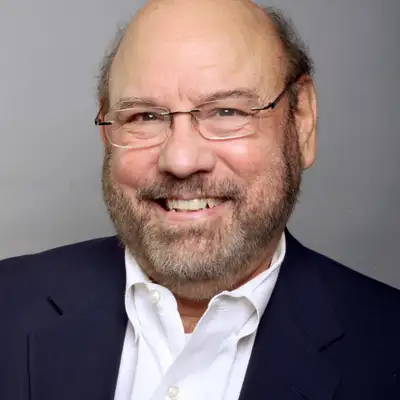
Anthony Carrano:Couple questions we uncover. Are nonprofits really low budget segment or are partners missing one of the biggest growth opportunities in the Microsoft ecosystem? And how do you turn discounted software into long term high margin services? We cover these and more. Today, we're joined by Justin Sheedy, partner sales manager from Microsoft Elevate.
Anthony Carrano:We will learn how Microsoft Elevate is reshaping this market, why partners are essential to reaching millions of underserved organizations, and how to turn mission driven work into scalable profitable growth. So whether you're a new partner or a seasoned one, this episode is packed with insights to help you rethink where your next opportunity might come from. Let's dive in.
Anthony Carrano:Well, Justin, welcome to the podcast. We're really glad to have you on today.
Justin Sheedy:Excited to be here. Thanks for having me.
Anthony Carrano:Excellent. Excellent. Let's start off. Tell us a little bit about yourself.
Justin Sheedy:Justin Sheedy. I am currently a senior partner manager with Microsoft Elevate. I've been at Microsoft for about ten years, mostly on the partner side, either as a commercial PDM or with Tech for Social Impact and now Microsoft Elevate.
Anthony Carrano:Excellent. Excellent. Now tell us a little bit about, what exactly is Microsoft Elevate and how did it evolve, you know, from Tech for Social Impact?
Justin Sheedy:Yeah. So kind of going beyond, tech for social impact, which really, started a few years ago to provide access to the Microsoft technology for eligible nonprofits. Microsoft Elevate is an evolution of that to really kind of bring and drive measurable outcomes for both the nonprofit entities that we serve as well as our K-14 education customers. We're really bringing together not just the access to the software and infrastructure, but the skilling, the learning, and the mission driven outcomes that our productivity tools can drive.
Anthony Carrano:So how does Elevate fit into Microsoft's broader partner ecosystem?
Justin Sheedy:So we are set up just like our our commercial counterparts in terms of having partner managers or having sales teams that work with our named accounts and having partner enablement roles and responsibilities. But we do sit underneath our corporate engagement legal affairs team underneath Brad Smith's group. So we are a little bit different in that the dollars that we generate get reinvested back into the business's philanthropic efforts.
Anthony Carrano:Oh, okay. That's I mean, this is this is all new, to me, so I'm really glad to have you on, to kinda can you maybe explain how that works a little bit?
Justin Sheedy:Yeah. So so again, as we started at, you know, Tech for Social Impact, the need was really there to say how can we, at scale, you know, provide access to our productivity tools with in a meaningful way. Right? And we obviously, as a large, you know, Fortune 100 company, you have a lot of eligible entities that may come to you and ask for donations or ask for this. So what that designed for is really a way to sort of scale that en masse to provide those grants and discounts to those eligible entities in kind of a uniform way.
Justin Sheedy:And then through that, enabling our partners to take those offers and then really run with them sort of, help land and expand those practices at the qualifying entities. So we have kind of a third party validation process. So if you are, an eligible nonprofit or feel that you're an eligible nonprofit, and it's not just having a five zero one three c. Right? There's some additional criteria that Microsoft wants to see that you align kinda to the mission and goals for Microsoft Elevate.
Justin Sheedy:But getting your your entity or your organization qualified by that third party is the first step, and partners can help in that process. Once that happens, your tenant is sort of rubber stamped as approved, and then you'll see across modern work and dynamics. In some cases, it's up to 75% off list pricing that those entities have access to for those software tools. There's also some grants and discounts to kinda get you started. In other words, some freemium access that you get to a certain number of seats to an Azure grant on an Azure base annual basis as well as, you know, access to to skilling and resources.
Justin Sheedy:So it's a tremendous opportunity. Really want all nonprofits to take advantage of it, particularly in small medium business. Right? The majority of the nonprofits globally have less than 50 employees. So they're not gonna be a named account with Microsoft. They're not gonna have a big direct relationship with Microsoft, and they really need a trusted adviser to sort of show them the way to to help them access and and leverage these tools to their fullest advantage.
Anthony Carrano:Oh, that's that's fantastic. Well, you know, I I've gotta ask because, you know, I mean, a lot of times, you don't really think about, you know, like, like with the nonprofits and the social and all the social good, you know, and then, you know, you're thinking about like with big tech, you just don't always put those two together. How did you get into that?
Justin Sheedy:So most of us within Elevate have a have a why, a reason. You know, on a personal level. Here in San Antonio, I served on the board for a local nonprofit that supports the adult health care community in San Antonio regardless of your ability to pay. One of the things that that foundation does is provide a mobile mammography unit that goes out and does breast cancer screenings in underserved parts of the San Antonio community.
Justin Sheedy:I've had an inordinate number of women that I love in my life touched by breast cancer, several who've survived because of early detection and early detection is the key. So that's just one small part of the things that I choose to support in my free time with my spare dollars, and what's so powerful about what Microsoft does for all of our full time employees, Bill Gates' mother encouraged him to support the United Way in Washington years ago. Through that, it grew into a really powerful employee matching program. So every full time employee of Microsoft can donate to an eligible charity of their choice, and Microsoft will match that on an annualized basis up to $15,000.
Anthony Carrano:Wow.
Justin Sheedy:So a tremendous impact for the charities that I care about. It basically will match my time and dollars in an extremely meaningful way. That equates to about $275,000,000 on an annual basis that Microsoft is donating to the charities and entities that our employees care about.
Anthony Carrano:Wow. Wow. That's awesome. That is I mean, that is that is just awesome.
Justin Sheedy:You know, really I think a lot of people don't take full advantage of it, meaning not just Microsoft employees and the entities that you care about in your communities, but also those charities working with Microsoft, right, and asking, you know, if you've got good relationship with a Microsoft person, were they aware that that exists?
Justin Sheedy:Are they taking full advantage of that? As well as a lot of you know our competitors and other big tech companies in the space that our partners probably work with, a lot of them have some pretty powerful matching programs. I know, you know, my counterparts at Google, as well as, you know, AWS and some others have some pretty significant matching programs, as well as some pretty neat programs for eligible nonprofits. And I encourage everybody don't always say, hey. Go work with the competition, but at least explore what those programs are at the companies that you're working with and make your teams aware of them so that those entities can take full advantage of them where applicable.
Anthony Carrano:Mhmm.
Anthony Carrano:Wow. No. That's great. I appreciate you sharing that. Going back to now kinda flipping back to, like, on the business side, I know a lot of partners assume that there's no real money like in working with nonprofits. What are they missing?
Justin Sheedy:Yeah, that's often kind of an assumption that, hey, there's no budget, there's no money. That's not often the case, right? I think traditionally nonprofits maybe do run on a tighter staff, but in some cases there's, you know, thousands or millions of dollars that they have available to them to kind of further their cause. And more than ever, they want to make sure that they're maximizing every single dollar that they get towards achieving that mission and goal. So when it comes to, you know, being more transparent, being more secure, and being more productive with the limited staff or volunteers that they have, those all fit very nicely with the bigger, broader mission of Microsoft to empower every person on the planet to achieve more with our productivity tools.
Anthony Carrano:Let me ask you, one more question here. It's like, so how big is the nonprofit opportunity with, you know, you know, with within, you know, nonprofits and, why is it growing right now?
Justin Sheedy:So I I think it's growing because it had been an underserved segment and we're at this crux with all of the, you know, AI tool sets coming in as well as, security being top of mind. More now than ever, nonprofits have traditionally been behind when it comes to the latest and greatest. Right? They're extremely vulnerable from security and compliance perspective, yet they tend to have all this mission critical data that they need to predict. You know, some important people in terms of, you know, who's writing them, checks and supporting their their organizations, or just the mission critical down there.
Justin Sheedy:I think non government organizations are consistently in the top two or three in terms of targeted entities from malicious attacks from a security perspective. Right? So there's a tremendous opportunity both around, you know, securing and and complying the workloads that they have, as well as just transforming them into the tool sets of today and really allowing them to to take advantage. I think all of us are kinda, you know, struggling with how are we gonna re engineer how we work, but nonprofits particularly are really at an inflection point where they need to be doing more with less. They need to be more secure and compliant, and they also need to be taking advantage of a tool set like what Copilot and AI brings to the table to allow them to achieve more with the limited resources that they have.
Rudy Rodriguez:So, Justin, you know, let's let's talk a bit about the whole partner channel. Where does Microsoft rely on partners in this space to, versus selling direct to nonprofits?
Justin Sheedy:I think everything beyond the licensing piece kind of relies on partners. Right? When you think through the traditional sales cycle, and particularly in the small medium business segment where I'm focused, as I said, I think there's upwards of $10,000,000, oh, I'm sorry, 10 million eligible nonprofits on a global scale. The majority of those have less than 50 employees.
Justin Sheedy:Right? So the majority of those sit within our small medium business segment. Meaning, they don't have a named Microsoft sales team. They don't have access to, you know, the the ATU stew type folks or the the specialists that work with some of our larger named accounts that partners might be familiar with co selling. So the sales team that Microsoft has to reach these prospects and customers is our partners.
Justin Sheedy:So not only envisioning the art of the possible with these tools, but then also identifying where can I meet this entity where they are, where meet this prospect where they are? Maybe they have an investment in the Microsoft stack already, but they need to optimize and really get the most out of what they're already getting. I.e., are they using all the tools in their a three bundle or or their, excuse me, their e three or e five bundle. Are they maximizing the security features and the add on components that some of those bundles include? Do they have an environment that's ready to take advantage of what a powerful tool like Copilot can do for them.
Justin Sheedy:Right? So not only kind of showing them the art of the possible, but then assessing where they're at and then meeting them where they are to sort of build a short term, long term vision to get them the tools that they need now and also set them up for future success. So tremendous reliance and opportunity for partners to really understand at which piece of that stage is critical for the partner and where they already have those offerings maybe on the corporate side and then how they can understand the challenges for a nonprofit and translate the work that they're doing to identify and work with, those prospects that they wanna focus on.
Rudy Rodriguez:You know, I know the program has its own rules and regulations. So if I'm an MSP or an SI that's listening to this podcast, what's the simplest way to get started in the nonprofit vertical?
Justin Sheedy:You know, I I really do feel like it's security. You know, everybody's got a a device in their pocket, and that's typically where we start to access all of these tools. So commonly, you know, the security realm, identity realm, intra, ID, multifactor authentication, the M365, you know, security components, understanding where they're at today and making sure that they're hardening and improving that posture is a great conversation starter for partners, and a great way to sort of learn about that customer's environment as well as their appetite for potentially having tools. Some of these customers may have no tools. Some of these customers may have, you know, three to five different disparate tools that are doing some of the same things.
Justin Sheedy:Right? So there's an opportunity for partners to assess and understand, hey, we might be able to consolidate some tools and some sprawl that your environment has, or we might be able to just sort of turn on some things that you weren't aware of that are part of something you're already buying, right? So those are two probably great entry points, but then also just assessing where they're at from a readiness standpoint in terms of their appetite to take advantage of a tool like Copilot and how their organization is already using that today, right. 87% of these folks are probably, you know, using some third party tools already. The Microsoft environment gives their leadership, their decision makers sort of some swim lanes to kind of put some compliance and some policy around how their organization is going to adopt and use the AI tools to further their mission.
Rudy Rodriguez:If you were giving a partner some advice, you know, on common first engagements with nonprofit, what should they lead with and how can they turn those into larger opportunities?
Justin Sheedy:I think, you know, some type of a try buy, an assessment or some readiness is usually a good way. What I've seen successful partners who are focused with Elevate do is just kind of having some thought leadership, whether they're doing that in a one to many event, whether they're doing a small sit down with that customer or maybe a round table type engagement, a security assessment, that readiness assessment, or understanding a migration, you know moving off an older environment into a more robust environment like Azure. Those are all great kind of initial first managed services engagements, and sometimes those are funded, sometimes those are not, sometimes those are you know free to a point, and those can be great initial engagements for our partners to kind of really understand the customer's environment and then help build a plan for now as well as into the future. Understanding who they're working with already or how they bought from Microsoft in the past, and whether or not the way in which they're buying still meets what they're needs today, right. Some of these organizations go back a long way and maybe you know had some of these things in an on prem license environment, they've got it in a a wiring cabinet at the end of the hall, and maybe that fit their needs, you know, five, ten years ago.
Justin Sheedy:Maybe they're just because they've been busy focused on whatever their mission is, they haven't paid attention to all the greatness that's come in our industry over the last few years particularly. And, you know, kind of getting them into the modern is a great way for partners to really assess and also present the value of how that can impact the organization. So, yes, sometimes those lead to, you know, there's a cost associated with with moving into those environments, but the return on investment that you can show as a partner is really where the the board, the business decision makers, and the the leadership will see the light in terms of making that investment.
Anthony Carrano:You know, one of the things I was thinking about earlier too because you mentioned, you know, earlier about how, there's different grants and discounted licensing, you know, that's in that's in play. How should partners think about, like, profitability here, you know, in in light of these things?
Justin Sheedy:Yeah. Yeah. And and again, the the grants and discounts are designed to reduce the friction, right, to make our tool set more accessible for these qualifying entities. It does not reduce the opportunity for our partners to really drive the services associated with migrating to and from, with ongoing care and screening, with upgrading from to, and really optimizing what they have. So, know, some of those grants and discounts may fund that initial work, that initial try buy, and that are the possible envisioning, but really the opportunity still exists for the partner to provide that long term relationship and help the organization achieve their mission with the tools that we have.
Justin Sheedy:And often times these customers, once a partner can show some value initially, not only does it lead to, you know, a successful relationship at that entity, but it also gives you a great sort of case study example to then take not only to other like entities and organizations, I.e., build a unified offering that focuses on the subs subset of nonprofits, you know, oh, we have this thing for churches, or we have this thing for family funds, or we have this thing for museums. It gives you a great story to tell, to your corporate customers. Right?
Justin Sheedy:And the majority of those corporate customers that you're working with, those decision makers that you're calling on, they probably have a nonprofit that's near and dear to their heart. They probably have an organization in their community that, like myself, they write checks to or that has impacted their lives and their family. Right? So you as a partner can bring this tool set along with your knowledge of how to work within Microsoft Elevate and really add a ton of value in a different way to your relationship with those business decision makers, that they're gonna respond to in a different way other than just saying, hey, I'd love to sell you my my managed services. You can say, hey, Bob or Cindy, I see that you sit on the board for x y z. Were you aware of the grants and discounts through Microsoft Elevate that our organization can help your, organization that you care about implement and, you know, we can help them kinda digitally transform together. Right? That's gonna put you as the partner in a in a whole different capacity and trusted advisory role versus just, you know, calling up to sell them something like everybody else.
Anthony Carrano:What have you found to be like what's different about selling to nonprofits, and how should partners adjust their messaging to actually win deals?
Justin Sheedy:I think just like within the cloud where outcomes are so important, really selling the mission impact is what the productivity tools will drive to. Right? You don't wanna say, hey. You know, this Copilot thing is great because it gives you some time back. But when you think about, you know, how that organization's dedicated time, whether it's, you know, what they're paying those full time staff members or how they get the most out of their volunteers and and staff that is, related.
Justin Sheedy:Right? Serving more constituents or improving donor trust, increasing their compliance, making sure that they're secure, and providing that transparency to the entities and individuals that are are giving the organization money is extremely powerful. And that's how you should really think about selling to these organizations is is driving towards that mission impact. So understanding what their mission is and then mapping the capabilities of the tool back to them achieving more of that.
Anthony Carrano:Well, I really appreciate you sharing about, you know, about how to how to sell and position to nonprofits. I mean, it's it sounds like it's it's a lot like how you would sell to anyone. Right? You understand, you know, basically, it's how you can position them to be a value creator, you know, to their, you know, to their customers and end users. And so really appreciate you kinda sharing that perspective.
Anthony Carrano:You know, on that note, are you able to can you share maybe like a a real example of a partner or a nonprofit transformation that shows what's possible when this is done right?
Justin Sheedy:Yeah. Absolutely. So we have a recent example in in in the run up to the two hundred and fifty year anniversary for The United States. There's a nonprofit organization that supports the National Mall, and we have a partner that worked with them to sort of infuse AI and get some materials put up into Azure so that it makes when you visit the National Mall in DC a much more interactive experience. Also, makes it much more accessible to anyone around the globe.
Justin Sheedy:Right? So it's no longer, hey, you gotta get on the bus or get on a plane and go to DC, but teachers, students, adults, maybe individuals with disabilities who couldn't otherwise walk around the National Mall in DC can go to these monuments and interact in a meaningful way to really learn about our history and learn about the impact of whatever that you know founding father or memorial or monument is and and the the key factors throughout our history that have taken place there. When you think about some of the great, you know, speeches from MLK or other key times in our history that have taken place in the National Mall. So it really is a really neat example that touches both education as well as nonprofit. And again, it was just about the vision of the organization, them working with the right partner, centered networks, getting that information from, you know, kind of a static legacy environment of walking up and reading a plaque up into a much modern approach that's much more, accessible for today's students and needs and visitors.
Anthony Carrano:Oh, nice. So is that did they build an app? What what exactly did they do?
Justin Sheedy:So, yeah, it's it's, you know, information, that you can go to and visit and interact with Okay. In Azure and then leverages some of the AI tools that we have. So again, think of, you know, walking up and reading a plaque but teachers can download lesson plans in advance of. So let's say, hey, you know, Mrs. Smith's third grade class is gonna go visit the Washington Monument. The teacher can build a lesson plan in advance of her class going to visit so that the students get a lot more out of that action.
Anthony Carrano:Oh, that's fantastic.
Justin Sheedy:As well as just you as a visitor, let's say, you want to follow-up and go a little bit deeper about some of the history of that founding father or some of the history of the Vietnam War Memorial and how that's been meaningful throughout our time in The United States. It just provides a much more interactive capacity to do so.
Anthony Carrano:Oh, wow. That's awesome. I know my wife and I love going to DC. We're kind of both history history nerds and love all that stuff. So, yeah. That's fantastic.
Justin Sheedy:I do as well. Right? And, you know, I think all of us, right, it's it's everything so polarizing these days. It's it's great to kinda sit back and say, hey, look, you you know, left or right, good or bad, there's been some bumps and bruises along the way, but America still has tremendous opportunity for all of our citizens and and a lot of our great history is is kinda stored and rooted there in DC.
Anthony Carrano:Well, you know, it's fascinating too just as we're talking about like real examples of, you know, partner stories and bringing about, like, nonprofit, you know, like, the transformation. I know, we actually had a client. We helped them with their partner of the year story, and it was with the Olympics. I think, Rudy was with the swim team, wasn't it?
Rudy Rodriguez:The USA swim team.
Anthony Carrano:Yeah. So it's just it it's covering I mean, it there's such a a spectrum when you say nonprofit. Right? I mean, it it covers I mean, anything from, you know, the work you were just talking about, Justin, to The USA, you know, swim team. I know there was another great story with the Special Olympics.
Anthony Carrano:Absolutely. And and just and covering. So there's just, you know, to the point you made earlier, there's just a lot of opportunity. And so just to really encourage partners that to take advantage of of the of the the resources, you know, available through Microsoft Elevate, but also just the tremendous amount of, you know, social good, that could be done by empowering people to to do more with the tech. Absolutely.
Justin Sheedy:Yeah. Yeah. Within within the case of USA Swimming, you know, kinda access to data, that's another great example and tremendous opportunity for partner. Right? When you think about how much data we're collecting, but then how does it become usable to the organization or to the organization's members or to the constituents that that organization serves.
Justin Sheedy:So our hope in that case is that it, you know, provides more real time sort of stats and ranking and information that's both visible to fans as well as the Olympic hopefuls, and that helps to kind of build and craft an even stronger showing for the future Olympians. That USA Swimming is gonna support based on the access to data and how they can interact with that.
Anthony Carrano:And then, of course, when we start talking about data, it provides a segue into AI.
Justin Sheedy:Funny how we tee that up nicely.
Anthony Carrano:Oh, man. That was that was easy, man. You put that on the tee for me. I appreciate that. So let's I'll be let's talk about that. So how are like AI and initiatives like AI4Good changing the opportunity for partners in this space?
Justin Sheedy:Well, I think, you know, again, that access to data and how entities are using that is where the organizations and the partners can really differentiate themselves. Right? So analyzing donor data or analyzing the data from the individuals that an organization may serve. If you think about, like, disaster response type organizations who maybe come in after a storm or come in serve displaced parts of the community after you know something horrible has happened. Right?
Justin Sheedy:Access to that data, access to connecting all of the things can really be extremely impactful. Automating some of that administrative work which can be very challenging particularly if it's an area that maybe you know is part of it and doesn't have the connectivity that they need to on the ground we can do that you know kind of analyzing from a different place feed that to the the individuals that are there working, and really just kind of driving a responsible adoption of AI with the security, the governance, the change management that Microsoft has built into the tools that is really gonna enable the next phase of growth. Right? If you think about, you know, the evolution and how fast things are are changing and and and adding, I mean, it's it's extremely challenging for all of us to keep up, I think. But it's about positioning these organizations to sort of future proof their environments, and take advantage of where they are today, but enable them to grow with, how these tools evolve and how it evolves, how they work with their individuals they serve and the donors that that support.
Anthony Carrano:Mhmm. Mhmm. Now this this has been awesome. I know I I I've learned so much. So I really appreciate your time, Justin. And I'm really excited. I mean, this is just such an exciting opportunity and hope a lot of partners can take advantage of that. If a partner, let's say, you know, wants to act on all this, what's maybe the first two to three steps they should take, you know, in the next, you know, thirty days?
Justin Sheedy:I think a great thing for them to do is really kind of, you know, like with any Microsoft partnership, understand which piece of the puzzle they play in and what's their their forte. Right? So to find their kind of clear strength and what offering they may wanna go after for an initial engagement. Is that security? Is that readiness? Is that optimization? And also reviewing the resources that Microsoft Elevate has built.
Justin Sheedy:So just like on the corporate side, we have specific sales plays, specific outcomes that nonprofit are looking for and the challenges that our tool set help to solve for. So familiarizing yourself as a partner with those resources as well as the grants and discounts. How do those work? How do they not work? Right?
Justin Sheedy:There's an opportunity to add value around just having the knowledge of what Microsoft Elevate is, what the grants and discounts are, and what they are not so that you can bring value to the conversation initially in terms of, hey, you're an organization that qualifies, you're you're not taking advantage of this, you could be taking advantage of that. And then really kind of looking across your your city, your community, the areas you care about. Do you have some installed base customers who are nonprofits?
Justin Sheedy:Maybe they are or aren't taking advantage of these things. If they are, are they getting the most out of those. Right? So assessing if they're getting the most out of the tools that they have today and where they wanna go. As I said earlier, you know, the majority of nonprofit leaders think that they're not ready to take advantage of AI. The majority of their their teams, their staff, their employees, their volunteers are already using these tools. Right? So it's a matter of building out some trust and controls that allow them to serve, the outcomes that they want in a secure compliant manner, and our partners are necessary to make that happen.
Anthony Carrano:Excellent. And and there's gonna be a link in the show notes for the, nonprofit, partner readiness website. It's fairly robust. You know, Justin, maybe you wanna share a little bit about what what somebody can expect when they go to that page, And we'll have the link in the show notes.
Justin Sheedy:That's a great link to start. So it's got introduction and kind of expands on a lot of the topics we've discussed today, how get started in the sector.
Justin Sheedy:It also has a newsletter that you as a partner can subscribe to that's driven by Microsoft Elevate Marketing teams. You can be part of the Elevate community of partners. There's a partner desk if you have an organization that feels they should qualify and maybe they got denied by that third party verification process. You can work with that desk to sort of escalate appeal, that approval on behalf of there's also a wealth of case study examples where you can go find, you know, how different organizations have taken advantage of the tools to further their mission and then maybe find the right example for a prospect or a customer that you're working with.
Justin Sheedy:And then really get a little bit deeper on some of the industry specific solutions as well. Also, if if you're a partner out there working with a great nonprofit either like, USA Swimming or maybe like the National Mall or, you know, a local entity that qualifies, we wanna hear those stories. So so reach out and nominate those, particularly if they're around some of the the new hot topics within Microsoft, i.e., Copilot things, AI things, taking advantage of their data in a more meaningful way. Those are great stories to get nominated. If you peruse, you know, YouTube or if you've been to Inspire and Ignite and seen Judson on stage with a partner and a customer telling a story, most of those stories come from and start with Microsoft Elevate because our our customers are the best.
Anthony Carrano:Mhmm.
Justin Sheedy:And our partners are the best, and they tend to be the ones that really make people engage in a in a more meaningful way when you think about the mission outcome that our technology can drive for those entities.
Anthony Carrano:Yep. Yep. And I'm, you know, for those listening, I'm I'm looking at this website. I know, you know, Justin, you had mentioned earlier about all the solution plays. You weren't kidding, man.
Anthony Carrano:There's a there's a lot on here from what the AI business solutions, the cloud and AI platform security. There's a bunch of demand gen resources. So we'll like I said, we'll have that link, in the show notes. But for those listening, there's this this this website has a ton of great resources for folks to kinda get started. But there's also you, Justin.
Anthony Carrano:So what's some of the best ways folks can reach out and connect with you?
Justin Sheedy:Yeah. So as I mentioned earlier, I I I'm based here in Texas. I sit in San Antonio. We've got a small office here. What I like about San Antonio, only to be in a great town, it's also a community where we have a data center presence from Microsoft, like Northern Virginia and like some of the Midwest cities as well.
Justin Sheedy:So there's some other community impactful things that we do as part of that kind of data center outreach that partners can get involved with. Connect on LinkedIn, you know, I've got other team members I said across, you know, the different sales segments, if you're working with maybe a named entity that has a larger direct relationship with Microsoft. I can help to connect to to who the sales side contacts may be within Microsoft as well as kind of the the the normal calendar of Microsoft events. Typically, we're engaged with the, small medium and corporate, you know, co selling opportunities with IAMCP events in person, you know, both in Texas and in other regions, with, other kind of Microsoft ecosystem shows, things like Directions North America. We'll have a presence at coming up here in April. So seek out and look for, the Microsoft Elevate team members. Look for the entities within your install base that you're already working with that may be part of our, you know, kind of qualifying customer base, and then really understand what, you know, your offering is and what your need is to to kinda connect with myself or the right resource at Elevate to further your nonprofit practice.
Anthony Carrano:Excellent. Excellent. Well, Justin, again, thank you. This was fantastic. I I know I learned a lot, and look forward to sharing with others about a lot of the great work that's happening. So thank you.
Justin Sheedy:Awesome. Thanks so much for having me. Happy to be supporting this great customer base and our partners.
Anthony Carrano:Have a great day.
Justin Sheedy:Take care.
Anthony Carrano:I really enjoyed that episode. I learned so much. I know, Rudy, the thing that really oh, you know, just stood out to me was especially just sharing about the various stories. I mean, you know, I mean, you and I obviously knew about with, the Olympic swim team one, the Special Olympics story, but also just that with the the National Mall, you know, story and just seeing how, you know, they're utilizing, you know, technology to, you know, just, you know, to really make an impact and to help these nonprofits do more, you know, with less so they can really achieve their purpose. So I really appreciate it and and just enjoy those stories.
Rudy Rodriguez:You know, I've been a part of those stories before through the IAMCP and also when I owned my previous business where we worked with nonprofits. So it's always great to know. What I did learn from Justin on this, podcast today was something I did not know was that the profits from the nonprofit program from Elevate get reinvested into their philanthropy efforts. And that's just a great story to tell. You know, I I don't think a lot of people know that that Microsoft does have some great philanthropy efforts and and partners get involved with that because that's something that, just creates social impact.
Rudy Rodriguez:And that's something that that's something that, IAMCP has worked on through the thirty years that I've been involved. So it's great to know and I think it's just something we need to communicate to our partners. Mhmm. Because they not only are they helping the nonprofits, they're helping drive social impact, but then the money then goes further into other philanthropy efforts. That's great to know.
Anthony Carrano:Well, just, you know, even piggybacking on that, just even how they have the matching, right, up to the $15,000. But then just also to just the opportunities available for partners. I mean, there are for partners that wanna take advantage of this. I was just really pleased. I should say not surprised, just very pleased just with the depth and the array of resources that are available, you know, for partners who want to be able to engage, you know, this market. So, yeah. No, this was this was great. I learned a ton. I'm glad I got a chance to connect with Justin.
Rudy Rodriguez:Yeah. This is a very good episode. So everyone, thank you for joining us on this episode of IAMCP Profiles in Partnership powered by Dunamis Marketing. We hope you enjoyed this podcast and find it useful and inspiring. If you did, please subscribe, rate, and review us on your favorite podcast platform.
Rudy Rodriguez:One of the best ways to partner for success is to join IAMCP, a community of Microsoft partners who help each other grow and thrive. IAMCP members can find and connect with other partners locally and globally and access exclusive resources and opportunities. Whether you're looking for new customers, new markets or new solutions, IAMCP can help you achieve your goals. To learn more, visit the website at www.iamcp.org.