The Future of Microsoft Partnerships in the AI Era with Jay McBain
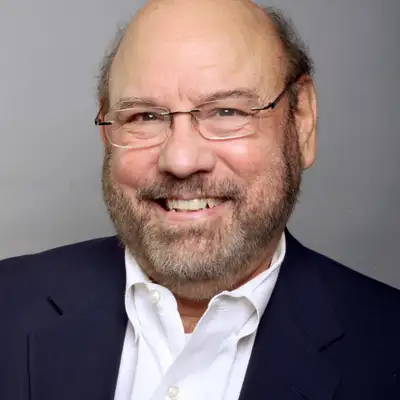
Welcome to IAMCP Profiles in Partnerships, the podcast that showcases how Microsoft partners and IAMCP members grow their businesses by collaborating with other partners across the Microsoft ecosystem. I'm your cohost, Anthony Carrano. And in each episode, we sit down with some of the most innovative and successful leaders in the Microsoft partner community to uncover the strategies, relationships, and insights that help them create more value for customers and accelerate growth through partnership. Today, we're joined by one of the most respected analysts in the technology industry to answer those questions and help Microsoft Partners better understand what comes next. I'm excited to welcome Jay McBain, chief analyst for channels, partnerships, and ecosystems at Omdia.
Anthony Carrano:Jay is widely recognized as one of the world's leading experts on technology ecosystems, partner strategy, and channel transformation. For more than three decades, he's helped technology companies, Microsoft partners, and industry leaders understand where the market is heading and how to capitalize on emerging opportunities. Couple questions before we get started. What if the next five years create more opportunity for Microsoft partners than the last fifty combined? And what if the biggest threat to your business isn't AI itself, but being unprepared for how your customers are buying, partnering, and making decisions in the AI era.
Anthony Carrano:We'll uncover these questions and more. In this conversation, we'll explore why AI is creating one of the largest opportunities in the history of the technology industry, Why 82% of Microsoft partners say they aren't ready for what's coming next, how buyer behavior is changing, and what partners must do today to position themselves for growth in the AI era. If you're a Microsoft partner looking to better understand the future of the ecosystem and where your biggest opportunities lie, this is an episode you won't want to miss. Let's get started. Well, Jay, welcome to the podcast. We're so excited to have you on.
Jay McBain:Well, thanks Thanks so much for having me. I'm excited about this.
Anthony Carrano:Excellent. Excellent. Well, before we dive right in, I know we've got a lot of ground to cover, you know, here in this in this episode. But before we do, for those who who aren't familiar with you, I want to share a little bit about yourself.
Jay McBain:Yeah. Absolutely. I've been, in the Microsoft channel for thirty two years now. I spent, about half that time, selling laptops and and desktops with IBM and Lenovo. Spent time building a channel software company, built almost ten years now as an analyst covering the world of channels and partnerships and alliances and ecosystems. So I wake up every morning thinking about partners and thinking about the opportunity as we look ahead to the AI era.
Anthony Carrano:Excellent. And and on that note, as you've talked about, you've described AI as a multi trillion dollar market shift. Why do you believe this moment is like the one of the most important moments in the history of the Microsoft partner ecosystem?
Jay McBain:Yeah. There's an interesting thing. You know, about fifty seven years ago, we landed on the moon. A year later, the technology industry became the fastest growing. And for fifty six straight years, it's been the fastest growing industry.
Jay McBain:So we're in this, you know, space race moving into technology race, but the the fifty six years was not linear. And and so as a Microsoft partner, you'd recognize if you're old enough, the twenty years of mainframes and minis, you know, all changing for Microsoft 08/12/1981. You know, the first version of PC DOS version one and MS DOS version one point zero. But that triggered a new era. We moved from mainframes into the client server era, which also ran about twenty years.
Jay McBain:In 1999, we had a small startup in San Francisco led by Mark Benioff, Salesforce triggered a SaaS era. We had a few years later later Jeff Bezos thinking he could rent out some of Amazon's infrastructure in those non busy days. But the cloud era really ran twenty years as well. So we got these twenty year eras. It's the Taylor Swift version of our industry.
Jay McBain:But, you know, when we started seeing and and when we our neighbors, our friends, our family started seeing the poetry and the music and the deepfakes, they they came to us and said, you know, did we just light up Skynet? This created this new twenty year era. And and while the first couple of years were mostly consumer driven, ChatGPT becoming the fastest growing product in history, Anthropic becoming the fastest growing company in history, soon to be a multi trillion dollar IPO in the next couple of weeks, NVIDIA becoming the most valuable company. This is the next twenty years. So we're in this mode now of what was the fastest and is the fastest growing industry.
Jay McBain:It took us fifty six years to get to $6,070,000,000,000 in hardware, software, services, and telco. That's what customers spend. We're gonna double that in the next three to five. There's a $7,000,000,000,000 build out, 6 and a half trillion according to Microsoft, but 7,000,000,000,000 according to OpenAI and another NVIDIA and others. But somewhere in that range, we're gonna double this industry, which took fifty six years.
Jay McBain:We're gonna double that in the next near term. And we're you know, for partners' sake, we're we're not talking about where the trillions of dollars are and who's going to become trillionaires. That's fun fodder for the consumer world, you know, to sell magazines and, you know, to sell, you know, headlines that we click on on social media. We're obsessed with the $267,000,000,000 of tech services that this is gonna generate in the next couple of years. And and the 35.3% growth rate that the best Microsoft partners are seeing today in AI.
Jay McBain:And so we're trying to get very specific and kinda pull away the consumer umbrella here and get right to business and say, what do we need to do? What decisions do we need to make today? What are the tactics? What are the, you know, specific things I need to do to go grab on to that opportunity?
Anthony Carrano:Now in light of all this just momentous, you know, opportunity, you've also recently shared research showing that 82%, and I I think I got that number right, 82% of Microsoft partners say that they're not ready for AI. Why do think so many partners feel unprepared, and what exactly are they unprepared for?
Jay McBain:Well, we did ask some follow on questions, but, you know, we get to pull pretty close to 25,000 Microsoft partners around the world. And we, you know, can pull it based on history. You know, are you a VAR? Are you an MSP? Are you a regional system integrator? Are you an ISV of Microsoft? You know, we can kinda break it down by partner type. We can break it down by country, around a 193 countries. But in the end, yeah, 82% of people came back and said, oh, boy. This road to 7,000,000,000,000.
Jay McBain:A couple of reasons. One is that every day, literally every day, we wake up to big news. You wake up and you feel like sometimes a Star Trek captain and you ask for a damage report. Because, know, in the morning, Nvidia has just been made another multi $100,000,000,000 agreement with someone. Anthropic has just announced something else.
Jay McBain:SpaceX announces they're going public, and now Elon Musk is gonna be a trillionaire coming up in seven days. Then, you know, you get hit with these big, big stories with big, big numbers that it's hard to relate to. So you try to think back to what does this mean for me? And so when 82% of people say, I'm nervous and maybe I'm not fully ready, it's translate all those really big things back to my territory, the the customers that I cover, my prospects.
Jay McBain:What are they talking about? How can I go in and leverage my skills and and sell advisory or consulting? How can I sell a design and architecture of what it looks like to my customer? How can I, you know, go and procure and provision deploy this? How can I implement or integrate it?
Jay McBain:What does a managed services contract look like in AI when my customer maybe expects me to be using AI and charge them a lot less than I would have in the past? So take it through the 200 elements of what I'm concerned about. And let's skip the trillion dollar talk and get right down to the the nuts and bolts of it. And and where can I go find my next million dollars? And so that's the concern.
Jay McBain:The follow on question was, well, who do you kind of blame? And blame is the wrong word. But who who do you say is, you know, most responsible for you not being prepared? And and most of the partners pointed back to Microsoft as well as other vendors, the hyperscalers, the big SaaS companies, the big cybersecurity companies, the big infrastructure companies, I go through the entire, you know, kind of motion of big vendors and say, Listen, they haven't invested enough to get us ready to go and, you know, certify us and build competencies and work together, so that I can charge top dollar to my customer as I get them ready for this era. And the final question we kinda ask is, well, what could they do more of?
Jay McBain:You know, if you're gonna say that, you know, Microsoft could do more of this or others, you know, CrowdStrike could do more of this or Dell or Lenovo or HP could do more, what could they do more of? And the answer was, well, we need more training. We need more workshops. We need more hands on. We need, you know, the that ability to not just, you know, write a couple of tests and get another certification that means nothing, you know, to my customer.
Jay McBain:The other thing is interesting is that every six months, this technology is doubling in size. So what you did six months ago in AI no longer applies. And this is different than the Moore's Law that we've lived on where, you know, every 18 months that the technology, you know, doubles at a transistor level. This is now a learning technology that's much different. You know, one version 3.5 of ChatGPT passes the bar exam in legal.
Jay McBain:And everybody puts that off while they were bottom 10%. They barely passed. Well, six months later, they passed the test in the top 10%. Now ChatGPT version four is Harvard, Yale educated, you know, in terms of writing the bar exam. Well, six months later, now we're talking only twelve months, like one year from that initial passing the test, they now write the test, proctor the test, and govern the test.
Jay McBain:So this is something that if you learned about, you know, ChatGPT in the legal community in one version, you know, six months later, all of a sudden, everything you learned is is wrong. Now six months later is it's wrong again. So there's this general feeling of trying to keep up. And what does training and workshops mean when I'm constantly going back to figure out where we are now and and what it takes to drive that client forward. And again, charge top dollar for being able to drive our clients, you know, into this era because they're as confused as we are.
Anthony Carrano:So and I appreciate you sharing that because it's actually triggered two piggyback questions for you. One is, you know, as we're talking about both just the just the opportunity that's there, but also just the velocity, just the speed of the change that's occurring. What do you see for now specifically for SMB and mid market, partners? Where do you see some of the biggest, opportunities for them over I'm thinking, like, the next twelve to twenty four months, but that might be too far out. So I'll just kinda let you take that.
Jay McBain:Yeah. And this is probably where the most confusion lies in AI. Because, you know, back to the client server era, everyone got a PC. It didn't matter if you were a small flower shop or a major bank or major government. Kind of every knowledge worker gets a PC.
Jay McBain:Then we connected it to, you know, kind of client server, we connected to a file server and email server. And then at some point, everybody got a license to 365 for their email and for their, you know, office products. And and you you saw that, you know, in that license, even though, you know, Microsoft would, you know, charge different and and have different licenses, 23 of them for for each of those scenarios. But in the end, we all get access to Excel and email Outlook and access to other Microsoft technologies like Dynamics and other things. The same way it would allow a flower shop to execute at the same level, as FTD, you know, the biggest company in that industry or a bank or a government.
Jay McBain:So it was always a normalized view of the world. And that was through, you know, forty years of our industry. Well, today, it's different. If you are in SMB, and SMB, by the way, breaks up into six categories. There's a one to nine employee, there's a 10 to 24, a 25 to 49, a 50 to 99.
Jay McBain:As you go up into mid market, the idea is, you know, the average SMB managed service provider in Microsoft's world really focuses in on about a 50 to one fifty employee target market. Big enough that they can spend on a recurring basis, you know, small enough that they haven't built their own IT department and infrastructure and things like that. But if you're in that one fifty to one fifty target, none of your customers are doing AI in the way that an enterprise would or a big government would. They're not calling Sam Altman at OpenAI. They're not calling Dario at Anthropic.
Jay McBain:No one's calling Jensen at NVIDIA to buy a GPU to put behind beside the stove at their restaurant. They are waiting right now. And they're waiting for the tech stack that they've invested in to bring generative and then agentic AI to them. So the best way to explain this is an example. So, you know, you have a restaurant, you know, the restaurant maybe has a couple of locations, the restaurant wants to, you know, utilize this new technology.
Jay McBain:And they've already invested in something like Toast, or Square, or Clover, or one of the, you know, multitude of solutions that you have people running around with tablets, you know, at the restaurant with. And now that's a horizontal piece of technology. That restaurant didn't go by Salesforce, ServiceNow, Workday, Marketo, NetSuite, HubSpot, you know, to run each of their departments. They have one horizontal piece of technology that does their marketing and sales, does their operations, does their HR. But specific to that restaurant.
Jay McBain:It also works with Uber Eats. And now agentically, wouldn't it be great if there's a spike in Uber Eats orders that automatically can trigger a food order to get ready for it, and then can also trigger staffing in your kitchen so that supply and demand is starting to match. And you as an owner don't have to be there twenty four seven because it's pretty much the hardest business to run as a restaurant. Now that's an agentic capability that, you know, works through side doors through every element of your business. There are 1,012 industries inside that SMB.
Jay McBain:So how you think about a flower shop, a tanning salon, a daycare center, or an MSP themselves in that category, you might be using ConnectWise or Kaseya or Enable or Ninja or Halo or SuperOps or Synchro or 25 other applications that are horizontal to your MSP business, and you're kinda waiting too because you're not calling OpenAI or or NVIDIA. You're waiting for the agent to capabilities to come to you. There are some people vibe coding on weekends, and they have their OpenClaw running, and there's some really cool things going on. But in the end, the massive set of Microsoft partners are in white wait mode just the way their customers are for those capabilities to come to them. Those capabilities are white labeled.
Jay McBain:So Toast, in the restaurant example, will be working with Microsoft or AWS. They'll be working up through the models. They'll be working up and, you know, cashing in on some of those GPUs. But that is all, absolutely invisible to the customer. Now the partner needs to go in and introduce those capabilities, you know, train your customer on those capabilities, connect the dots, and probably code a few more agents that are very particular to that restaurant's location, their business model, their customer base. There's so many opportunities around that. We need to get to that conversation quickly in SMB and mid market, different than the way we're gonna walk into a big bank or big pharmaceutical, big automotive company or, obviously, a big government.
Anthony Carrano:What do you see as an just in your research as, like, what's maybe holding them back from doing that? Is it the training issue?
Jay McBain:Yeah. This is the 82% holdback is if I think about a 12 categories of my customer, and if I rethink the future of how to run a flower shop, now with a millennial age majority buyer who's fully digital, with, you know, them have an integration first that I don't just wanna go to flowershop.com. I want that to be integrated into my own calendar that I know when Mother's Day is. I know when my spouse's birthday is. I know and I have all that integrated, and I know what they love in terms of flowers. That's your new buyer. And to be digitally connected to your new buyer is about integrations. So how am I gonna go in and talk about the future of flower shops with the owner of, you know, these businesses that I'm serving? This is where it's uncomfortable. You know, I don't know what each of the seven or eight major flower shop applications are doing.
Jay McBain:You know, I I don't exactly know where their road maps are. Their partner program probably isn't to the level where they can train me and get me and and the client ready. So again, I don't really know how to charge my customer for that advisory or consulting. I don't know how to build a proof of concept. To say, let's dabble over here and see if we can use that left to right, you know, agentic models in the technology you already have.
Jay McBain:We're not in to buy a new product. We're not in buying new infrastructure. We're we're changing your business, and we wanna be an early adopter. And, again, we're not very clear on the places that I can transact, that I can actually get value for my experience and the time it's gonna take me to double click on that industry or double click on how this my client can get ahead of their competitors and jump ahead of the market. So there's gotta be a commercial or economics that support that.
Anthony Carrano:Mhmm.
Jay McBain:And, I think that's a lot of the confusion. And it's not a tech confusion. It's a business or a delivery confusion.
Anthony Carrano:Excellent. Excellent. Well, I know, Rudy, you've got some questions about like some of the chain you know, changing buyers and go to market and, you know, Jay kind of touched on a little bit about with the millennials. Rudy?
Rudy Rodriguez:We are we're all experiencing the major changes taking place out there, and and I really appreciate your insights in this. So can you tell us, you know, partners try to sell on technology features, and you've talked about that before, but the marketplace is changing and they need to, you've also mentioned in some of your speeches that partners need to start selling on business outcomes. What does that mindset shift look like in practice?
Jay McBain:Yeah, if you go to, you know, the GSIs, for example, you know, go to an Accenture, Deloitte and things and, or go to a consulting industry like McKinsey or Bain or Boston Consulting, they're kind of, you know, doing this shift as well, but they're further ahead because they're speaking at a business level with the customer. And again, if you start the conversation around, how do you increase your profit, you know, by 20%? How do you increase revenue by double digits in a pretty tough environment? The global economy is growing at 2.7. You know, your customers might be hurting, and flowers might not be the thing or tanning salons might not be the thing that are discretionary right now.
Jay McBain:So how do you grow at four times what the market is growing at or the GDP is growing at? That's a business conversation. And now when you start a business, you know, it ends at technology is to kind of drag that. This is what you need to do. This is best practices.
Jay McBain:This is how we would think about it. And outside in, here's, you know, looking across the world at flower shops, you know, here's what some of the best of the best, the ones that are growing at thirty, forty, 50%. Here's specifically what they've done. And so that's the business conversation, which obviously is outcome based, I wanna reduce my cost to acquire a customer. I wanna win bigger deals faster.
Jay McBain:I want to continually renew and enrich. I wanna get some subscription running, which, by the way, millennials love subscriptions. They grew up on Netflix. They grew up on Spotify. They're okay for a dollar a month for a toothbrush for the rest of their lives.
Jay McBain:You know, you're already serving them something they love. And, if I can integrate into their lives, make them look like heroes, now I'm getting to that business outcome conversation where it's stickier revenue, it gets enriched over time. There's a, you know, there's there's a huge business changing conversation. And so far, you've never brought up the word Microsoft once. But when you're that you know, you're you're talking to that early adopter, you're talking to that business entrepreneur that says, yeah, I wanna be on that path.
Jay McBain:Now you can get to the details of what you need to do with your people, your processes, you know, programmatically, what you need to do with the technology. And now, you know, you're not talking speeds to feeds speeds or feeds. You're talking about a layered technology stack. You're, talking about a layered investment area.
Jay McBain:And, again, we don't need you to go spend a million dollars, as a customer, but here's where you do have to lean in. You have to lean in, by the way, pay me as a partner for guiding you down this path. But the proof of concept is gonna look like this. And the cost, by the way, might be a new car. I mean, it might be a $20,000 investment.
Jay McBain:And entrepreneurs know this. You need to spend money to make money. You you've heard that all the way up growing up, regardless of the industry you're in. But it seems like AI is going to be a technology play, and it's gonna change my industry forever. I either wanna be on the front end of it, an early adopter, early majority, or, you know, if I'm a laggard and I don't elect to go your route and talk about outcomes and and invest ahead of the curve, you know, I might be on the wrong end of this.
Jay McBain:I may not go out of business, but I just may not grow. I I may grow at the same pace that my customers are growing at at, you know, 2% instead of 20 or 30. That's the that's the point is to get out of the technology conversation and into the game changing AI conversation, leading yourself to a point where you can, you know, have an economic value for at, you know, taking these customers through these, you know, early moments in AI.
Rudy Rodriguez:Well, you brought up a couple of good points there. You know, buying behavior and buyer behavior is definitely changing right now, and it's hard for partners to adapt to that. So how do they adapt, especially with millennials now making up the the dominant technology?
Jay McBain:Yeah. So the good news is we know more way way more about this buying than we ever did. And and it's not theory. It's not a flywheel. It's not a force multiplier.
Jay McBain:I mean, it's not some fancy PowerPoint slides. It's literally the average buyer in a considered purchase, which this would be a considered purchase is not unlike buying a car. There are 28 moments, measurable moments on average in a considered purchase. Now if you start to think about the moments, you buy a car for example, 94 percent of people now are using ChatGPT or Gemini or Anthropic or something, Grok or something to start the search. It used to be a few years ago, 81% of people would start with a Google search.
Jay McBain:And now that Google search is turning into a Gemini first answer and they're prompting as they go through to do this. So that is changing right at the beginning of the 28 moments. But the rest of the 28 moments are actually pretty clear. You know, as you buy a car, you know, the first Google search or the first time you ask ChatGPT, it's gonna tell you there are 365 brands of car. So if you wanna go and start test driving cars, it's gonna take you an entire year to test drive each brand.
Jay McBain:So you're not gonna do that. So you better start defining whether I want an SUV or a sedan. I want a German, Japan or US based car. Once you start narrowing things down, you know, you're gonna get to the point where there might be three or four choices. And so then I'm not enough of that.
Jay McBain:I might go to the manufacturer and put, you know, the configurator together and put the rims on it, put the colors on it, put all the options. I'm gonna get so smart as a buyer. I'm gonna be smarter than the salesperson at the dealership, and I'm gonna be smarter than the sales manager that quote, unquote, is trying to get me the deal. So I'm gonna not stop there either. Now I know the car.
Jay McBain:I know everything about it. I've spent the moments learning deeply about it, all the good, the bad, the ugly that that's out there. And then I'm gonna go download the invoice price for the dealer So I know what they're paying for the car. Then I'm gonna go download the back end rebates this month. Should I buy the car in June or July based on spiffs and back end manufacturer rebates and stuff?
Jay McBain:Now I know that as well. And then before I ever get to the dealership, I'm gonna go and find out what 5,000 people within 50 miles of me paid for that car in the last thirty days. So I'm literally looking at a bell curve at the exact, you know, decimal point accuracy of probably in on average what I'm gonna walk out with. But I'm also gonna see extreme cases, like the best negotiation possible if you're literally related to the, you know, card dealer owner or whatever is gonna be this, and the worst deal possible is gonna be that. But it's a very narrow curve.
Jay McBain:Like, it's within a few $100. So once you've learned it to that level, you start to get to the point where I don't wanna go to the dealer. Just Carvana the car to my driveway and hand me the keys. You know that I know that you know that I know. You know, I more about the car and more about the deal and everything else.
Jay McBain:We know the bell curve is here. I want you to make money because I wanna serve it. You know, I wanna take the car back to you to get serviced. I don't wanna ship the car from 500 miles away. You know, listen. Let's just let's just, you know, not play this game. That's your modern buyer. And by the way, you can substitute car buy in for buying Microsoft technology. The same thing. They're gonna know so much after these twenty eight moments.
Jay McBain:They're not gonna wanna go through that configure price quote and the back and forth on discounts, and it is what it is. This is what it's gonna look like. Azure, Dynamics, Teams, 365. I mean, here's what the e seven, e five, e three I I mean, they're gonna be knowledgeable, and it's gonna be that, you know, within a $100 left or right. And it's gonna be let's just avoid the whole dealership game.
Jay McBain:But you can help me a lot through the twenty eight moments. Guide me, advise me, help me because ChatGPT doesn't know all those things like it does in cars. So you have experience. You've done this at other customers that look like me. I need you to be part of those 28 moments.
Jay McBain:And by the way, I should be paying you for part of those 28 moments, you know, to get me to that point. And then I know that two thirds of our industry now and most of Microsoft is subscription consumption based, soon to be micro consumption with tokens. So I understand that that's only the first thirty days with the customer. And now every renewal, every upsell, every cross selling, every enrichment, every thirty days forever is where it makes sense because Microsoft has moved two thirds of its channel incentives post sale. It it's more important for Microsoft to get 108% renewals than it is for them in other areas of of the customer churn.
Jay McBain:So when you're thinking about that, that's how Apple sorry, that's how Microsoft got ahead of Apple on the stock market. I don't have to invent a product in September and sell a lot of it by Christmas every year. There's a lot of stress in that. I just want a cash machine that's growing at 30%.
Jay McBain:And for every one of those dollars coming in at that growth level, they come out at $1.08 every time we renew it. That's the play. And as partners, we have to think about that as well. That's the kind of business we wanna run. You can bank on it. You can predict it. You can and that's where your valuations go up. Your exits get better if you're ever bought by another partner or another private equity firm. This is completely your own business strategy as well. I just need to grow on the front end, and I need to renew and enrich it larger.
Jay McBain:It has to be a cash machine, and it's gonna be way more valuable, probably three, four, five times more valuable tomorrow than it would have been to a buyer yesterday.
Rudy Rodriguez:One of the things that, you mentioned there triggered a conversation that I had with a partner a couple of days ago. Big MSP, big national MSP. But when he called me, he said, I'm having this issue. And he says, salespeople are not having any luck right now reaching customers. Not just reaching them, but selling, you know, going through their sales motions and selling it, selling MSP services.
Rudy Rodriguez:So one of the things that you mentioned is now that, you know, the modern partner has to become digital first. So what does that motion look like today? And how do you see it going, you know, evolving into the near future?
Jay McBain:Yeah, this is advice, by the way, we give to vendors, we give it to Microsoft, we give it to distributors, we give it to partners. The modern buyer is very community driven. For all the digital side of their lives, we get absolutely overwhelmed with the noise and clutter. So all of us always have these people and places, names, faces, and places that we trust. And so if you look at our entire industry and every Microsoft partner, 500,000 partners, look at the 5,000,000 people and ask them three simple questions.
Jay McBain:What do you read? Where do you go? And who do you follow? There's a reason they're listening to this podcast right now. There's a reason they trust Anthony and Rudy.
Jay McBain:There's a reason that they've come because you can be overwhelmed every morning with press releases and everything else going on, and no one can consume it all. But I'm going go back to my peer group, the place that I've trusted as I've built my business. And I'm gonna, you know, reflect and realize that there's 15 different ways that we are influenced, you know, kind of in the way we think and and what we take, you know, in terms of our business and our customers. And it all comes down to percentages. Do you know that 12% of Microsoft's entire partner audience by people love podcasts?
Jay McBain:So 12% of 5,000,000 are literally listening to this as their number one way that they get information, that they're influenced, etcetera. Now there's 35% of the entire audience that love to go to your events. Because post COVID, there's this idea of pressing the flesh, the hallway conversations, that hotel lobby bar late into the night with even competitors, you know, sitting around you, trading stories, asking them what they're doing, what's working back and forth. But going around, you know, there's people that read magazines, there's people that join associations and get on the board of different associations like this one. There are people that love peer groups sitting in a boardroom with, you know, 10 other people.
Jay McBain:So there's all these different ways. There's analysts like me that they might trust to give us the numbers and give us the way forward. There are vendors that they trust outside of Microsoft that have always done them right. There's distributors they might trust. You know, really large ones like TD Synax or Ingram or Arrow or very small niche ones that are local to their country or or their zone.
Jay McBain:But there's 15 different ways that we build this trust, and this goes for your customers too. If you're having trouble getting to your customer, you're probably not swimming in their lanes. And so the way to the customer is always through the names, places, and faces of where they've built their business and the people that they trust. And if you can enter in and get that influencing the influencer right, you don't have to go to every flower shop conference or every tanning salon conference, especially if you have a myriad of, you know, customers. But you do have to participate and get into their zones of trust through other people, places, and influencers that they already trust.
Jay McBain:That's how to win markets today. And and there's just so much of a defense mechanism for all of us that we've been absolutely swallowed up by noise and clutter that we're and this is what AI is gonna end up doing is it's gonna be more and more and more and more, which is gonna send all of us back to our roots, you know, back to caves and back to tribes and back to the places we started. By our survival is gonna be connected to a very few amount of people and a very few amount of places and things that I can get sanity. And I can look people in the eye and I can, you know, connect to where I need to go and filter out 99% of the other noise and get to signal. That's the new way you win as a partner is surrounding your customer, hopefully becoming one of those areas of trust.
Jay McBain:But the average customer today in the Microsoft world has 6.3 partners they trust. So many partners grew up in a world where you were the single throat to choke. You were that single trusted advisor. Well, millennials don't play that game. They play a team sport.
Jay McBain:So they understand that their buying role is different than others. They understand that their industry, I mentioned ten twelve industries. They understand the geography they're in brings different compliance and regulatory and other challenges, sovereignty challenges. They understand that the segment they're in, 50 people versus 500 versus 5,000, completely different capacity and capabilities. They understand that there's 2,262 categories of SaaS, and SaaS only makes up 10% of our industry.
Jay McBain:You know how complex the product layers are, and you can't be an expert in everything. And then finally, what makes a great consultant may not make a great managed service provider. What makes a great implementation partner may not make a great architect. For the hundreds of things the customer may need, you know, I have to zone in on who's the best of the best. So now a millennial just says, you know, on average, I'm gonna have 6.3 people around me that I trust.
Jay McBain:And if I have a legal, accounting, or regulatory question, can go to that person. If I wanna know how Azure can connect to, you know, Chetchy, the OpenAI and how that can be done securely, I'm gonna go to somebody else and vice versa. All the things that you're going through in the 28 moments, I'm building a team and you're gonna be a team player in those zones. So that's a lot of change happening at once. But it's a different mindset how to win an AI, then how to win in cloud and then you how you would have won maybe in client server.
Rudy Rodriguez:That's a tremendous amount of evolution that the partner channel is going through. So thank you so very much for your insights. Anthony, back to you.
Anthony Carrano:Yeah. I I do have a it spurred me a lot of questions. We're gonna have to do this again. One thing I was gonna ask just from what you're seeing is how which I mean, just with these rate of change, the amount of, you know, noise in this out there coupled with just the availability of access to information for for the customer to get, you know, smarter, more informed further along in the process. What are maybe one or two things, that you would say, you know, that you're seeing that as a partner can be one of those 6.3 and have, the greatest influence across those 28 moments?
Anthony Carrano:What'd be, you know, maybe just, you know, couple things that you would say, listen, if you're gonna do anything, do this.
Jay McBain:Yeah. I mean, the first thing I would do is the next time you call on a client and I'm not talking about a small flower shop anymore, but you call on a regular client that might have a 100 or a 150 people, go to the guest book when you're signing in if they allow you to. Flip back the accountant, the lawyer, the digital agency, everybody signing in to that client, about an 80 to 90% chance they're talking tech.
Jay McBain:So realize that that may not be your forte talking to a CMO about a martech stack that has 15,553 elements ISVs. Now that might not be your slice, but how that gets incorporated, how that gets connected to AI, how that's becomes compliant, how how it becomes regulatory, how cybersecurity can protect that, how that data's backed up. That is your forte. But understand that everyone signing into that guestbook is a potential partner of yours because they're gonna be in 10 or 20 other deals at the same time, And and they're gonna get to the point of the deal where I actually don't know how to secure that. I actually don't know what compliance or governance looks like around that.
Jay McBain:I'm a marketing agency. I just do martech ad tech. This is my slice. This is my specialty. You know, you need to talk to Anthony who knows that stuff.
Jay McBain:Oh, you just asked a, you know, legal question. That's neither of our forte. You need to talk to Susan, you know, about that. So this is the sharing. How do I get into the next 20 deals that that agency's in? They invite us in. But in the next 20 deals that we're working in, when they start to ask, you know, Martech questions and how, you know, we connect to these, you know, ISVs and stuff, now you might invite them in. This is this whole building a network locally around your clients and and having these partnerships yourselves. Much like Microsoft has a partner system, you do too. And you know the ecosystem that connects around your focused territory or your focused customer, and you need to know the other 5.3 people.
Jay McBain:And and what you're gonna find again is it's not a million people. In your local, you know, environment, there might only be a 100 people that own those other five spots 80% of the time. And if we all got together and shared our own community and we had our own beers at the hotel lobby bar locally and you know we got into our own network, our pipelines might triple in size because we're spread out and we're covering the market and Chatuchipity and and Gemini are recommending us to clients. And we all come as a group. You know, we come as a as a team and somebody's somebody plays a quarterback and that's the most profitable role.
Jay McBain:The orchestrator of all this, and that's a great place to be. But you have to have wide receivers. You have to have running backs. You have to have a line blocking for you. I mean, there's there's gonna be players on the field.
Jay McBain:And sometimes, again, you're the backup. Sometimes you just come in for a couple of minutes for your specialty. But sometimes you're handed the ball and, you know, you have to go win the game. But I wanna be on every field. I wanna be in every game. And this is a whole partnering element, partnering and partnering. And all of Microsoft is doing now with their marketplace is multi partner deals and recognizing that there's no one partner in the world. And, again, you could be Accenture with 786,000 employees.
Anthony Carrano:Mhmm.
Jay McBain:They don't do all things to all people all the time. Accenture is one of the 6.3. We're one of the 6.3. Our friends are part of the six point three, and we're just gonna keep you know, this is a winning team. This is winning business outcomes for the customer.
Jay McBain:And the more we win, the more the large language models are gonna tell the next clients that, hey, you wanna hire this winning team over there. That's kinda where I wanna be three to five years from now.
Anthony Carrano:I love it. I love it. You know, it's interesting. We because when we started this podcast, it was mainly, you know, gathering stories about partner a, partner you know, connecting, you know, with partner you know, working with partner b to, you know, co create value for, you know, a customer. And what's been interesting, Jay, is here recently, a lot of the interviews we've had, it's it's gone beyond that.
Anthony Carrano:Like, we had one where it says consortium of eight partners. Right? You know, collaborating together, you know, and creating, you know, 35 different solutions, you know, across that, you know, that partner stack. Had, you know, another one, you know, it's I've had several of these, you know, here as of late. So it's it's interesting to hear what you're saying about with the 6.3, you know, you know, partners and just some of the things that we're encountering.
Anthony Carrano:It just says we're interviewing partners within the IAMCP community are are doing some of what you're talking about. So it's pretty exciting.
Jay McBain:And it's it's only getting worse because, by the way, we wanna go up level, which every partner should be trying to go up market as much as possible.
Anthony Carrano:Yeah.
Jay McBain:Most of the AI profitability and growth rates are, you know, in that larger segment, in the medium, mid market, low enterprise. But understand that that 6.3 is an average. It goes to eight. It goes to 10.
Jay McBain:I mean, the teams get bigger, the more complex and the larger the deals are. So, you know, understanding by segment and everything else, it's always gonna be a team sport. And, again, you're known for something. You're known as not all things to all people all the time, but you're known for, you know, catching that ball in the end zone, and and you do it better than anybody else. You know, every single customer is gonna wanna have you, you know, out as wide receiver, you know, on on that, team.
Anthony Carrano:Well, imagine too, especially for, like, the the smaller partners being able to it's a way by adopting this approach that you're talking about, it's a way to keep up with just the rate of change, right, that's happening and to be both on the technology side, but also adapting to the various customer needs. And it's, you know, basically being able to, you know, win more together, you know, mentality. So that's that's that's awesome. Let me ask you. I just got really one more question here, and I really appreciate your time. This has been fantastic.
Anthony Carrano:If we were I'm gonna put you on the spot with this one. If if we were to have this conversation again a year from now, which I'd love to have this conversation again, the way. But so maybe I should say rather than if, when we have this conversation again, you know, a year from now, what do you think will have changed, you know, most dramatically, you know, in the Microsoft partner ecosystem?
Jay McBain:Yeah. And Microsoft's making a lot of changes. I'm talking about noise and clutter. You know, they cut two thirds of their global distributors. They cut out partners less than $1,000.
Jay McBain:They forced every partner at 300,000 to a million to now have indirect relationships. So they have to go through distribution, not have a, you know, channel account manager at Microsoft. So they they went to a point system first. They're they're making marketplace changes and fees, know, faster than anyone. So Microsoft, you know, for the 35,000 vendors that we track, are always at the front of the line.
Jay McBain:But that's on the flip side of it. They've also outgrown AWS, their lead competitor on cloud, 27 quarters in a row. So over the last five years of disruptive changes in channel strategy and programs and being front of the line for making changes, They've also been right. And and so now these recent changes on licensing going from 23 to one and then telling big resellers that it's probably coming back direct in the token world. There's no way a customer is gonna be resold tokens.
Jay McBain:It's gonna be consumed, and they already have between AWS and Google a trillion over a trillion dollars of credits. So they're being really open and transparent in terms of how they see the next three, five, ten years playing out. They're trying to be as open and transparent as they can of what makes a winning partner in 2026, 2028, 2030, 2032. So listen openly. Listen to analysts like myself who are trying to dissect everything they're doing both inside of Redmond, as well as what comes out in press releases to say what does makes a Microsoft partner of the year last year looks different than this year.
Jay McBain:You know, when you're that Microsoft partner of the year, all of a sudden, get acquired by CDW by the time you've made it back to your table with a piece of glass when you're that was AWS's partner of year mission. When you're Google's partner of the year, SADA, Insight has bought you by the time you make it back to your table. When you're ServiceNow's partner of the year I mean, it's a completely different set of metrics. It's a completely set different set of behaviors. And and again, a good entrepreneur is always gonna be on the front end of this, trying to get it all deciphered into what do I do next? Pick up the phone. Who do I call next? What do I click on next? What training do I take next? What does great look like?
Anthony Carrano:Mhmm. Mhmm.
Jay McBain:And and that's where I should be thinking about. So looking forward, I will always measure it looking backwards. Did you realize the new buyer? Did you realize the alliances and the integrations that they require? Did you realize that you need to be a team player?
Jay McBain:Did you realize that the new twenty eight moments looks really different than it did in previous generations? If you're picking up on these things and executing, I think you're gonna be in a different realm. And I think you might be up on the main stage picking up a piece of glass. You know, from Microsoft, once you get to the point where you're making $3 or $4 in services for every dollar that Microsoft is making in product revenue, That's the new forward looking partner of the year. It's not who sells the most.
Jay McBain:And it's not who makes their quarterly numbers every quarter and it's reliable on resell. It's a just a different world. And so that old world isn't going away. But the old world isn't going to allow you to grow with the bigger numbers that we've talked about today.
Anthony Carrano:Excellent. Excellent. Jay, thank you. That was that was amazing. For those listening who would either, a, either like to connect with you or be able to access, you know, just some of the additional, you know, ongoing content that you provide, what's some of the best ways to reach out and connect?
Jay McBain:Yeah. Probably Microsoft property LinkedIn. I have a LinkedIn newsletter. So the numbers that I dropped, you know, every single one of them has a 30 page report. I tend to share everything publicly.
Jay McBain:It's not one of these paywall things. And again, if you if you're chasing something, just send me a quick note. I go to bed with a zero inbox. So just send me a quick LinkedIn message and maybe I can drop you the 30 page report or I can can you know, point you to somewhere that, you know, somebody is an expert that can answer it.
Anthony Carrano:Excellent. We'll we'll be sure to have that in the show notes. And also as we wrap up, I mean, obviously, you know, just like, you know, drinking from a fire hose here, you know, this area, but you also are quite a, a world traveler. And and I've heard that you have a personal blog kinda highlighting that as we wrap up. Can you maybe close this out, share a little bit about that?
Jay McBain:Yeah. My blog just hit a million views earlier this week. And it's just a personal story. I I love cars. I love motorcycles. I love boats. I mean, like all of us, we have hobbies outside of what we do for a living. Travel is one of them. And I originally set off to hit 100 countries.
Jay McBain:And there was a funny story. And it was like ranked up high high in Google because I call it the rollerblade and Red Bull tour. And so I I got sponsored by Red Bull for doing it and, you know, rollerblades and stuff, but just being a Canadian on skates. But in it ended up being a one of those, bucket list things that you put out in there in the ether.
Anthony Carrano:Mhmm.
Jay McBain:And we made it happen. So last year in Africa, we went to Madagascar was my hundredth country. So now I'm at a 108. We're just getting ready next month to go to 15 more countries on the way to an Australia speech. So I kinda tell the story of, you know, where and how and by the way, we're dragging along kids also, whether it's Antarctica, they've been to seven continents, they've been to seven wonders of the world. And it's just this immersion education in travel.
Anthony Carrano:Mhmm.
Jay McBain:You can read in a book. You can listen to a YouTube video. But the second year, they're eating street meat in a back alley of some far flung country. That is a different experience. So one of my personal things that, that I love to do.
Anthony Carrano:That's awesome. We will, we'll be sure to have that, blog in the show notes as well. Well, was, that is fantastic. Well, Jay, once again, thank you so much. This has been a whole lot of fun and, you just enjoy the rest of your day.
Jay McBain:Alright. Thank you so much.
Anthony Carrano:Wow. That was an amazing interview. I felt like I drank from a fire hose.
Rudy Rodriguez:I think any of our listeners are gonna have to listen to this this, podcast two or three times to fully get all the information that Jay was was was telling us today.
Anthony Carrano:Oh, yeah. Absolutely. I mean, just, you know, hearing him talk about some of the growth, you know, numbers and just, you know, breaking it into the eras and then the fact that this $6,700,000,000,000, you know, industry looking to double, right, in the next few years, and just just the all the opportunities that's out there for for our partners who are listening. But even in the midst of some of these really big numbers, it's sometimes hard to get your mind around. One of the numbers that really stood out to me was 6.3 and how just the importance to, you know, partners being, you know, really hyper focused, and being, you know, one of those that and and we're talking about the 6.3 around as customers will have 6.3 partners of trust where they'll get their info and being, you know, one of those and being all in.
Anthony Carrano:I just I really that really stood out to me.
Rudy Rodriguez:Yeah. Well, you know, those 6.3 partners was really important metric that he mentioned, because you can build your own network and partner community as he mentioned it. And that's one of the things that we've espoused at IAMCP for a long time is about building your circle of trust with other partners. And if you can do that, then you can become one of those 6.3 and then bring your partners in with you on future deals. So that was really important about being focused and become a specialist in what you do, but then take a look at what your customer is building and the challenges they go through so you can help them with their technology issues.
Rudy Rodriguez:So, whether you're dealing with another technology partner or another business person out in the marketplace that you could bring in and help your customers, you know, achieve the outcomes that they want to achieve. And I especially like the one story told about when you go up to a company, take a look at their guest books. That's one of my old tricks that I used to do. Hey, who else has been here? But that's one of the things that you do, and that's one of the things that I encourage partners to do is to build your network.
Rudy Rodriguez:Build your network of people that you know in the technology world and in the business world, because then you can help your customers achieve the goals that they want to achieve. The other thing that he said is you, as a partner, and you know, he talked about eighty two eighty two percent of Microsoft partners are not ready for the world of AI. It's time. If you haven't started yet, it's time to dive into the world of AI and start figuring out how it's going to impact your business. And one of the ways it does is, you know, our customers are becoming digital first.
Rudy Rodriguez:So what does that mean to you? You need to do that as well. So the content that you provide your customers on your website, how you, participate in community, social communities like LinkedIn. That's another way you can get your information about your specializations out to the marketplace. Become digital first.
Anthony Carrano:Yeah. I'm really glad you brought up too about like with digital first because one of the other numbers that he threw, that he mentioned was 28 and how, you know, there's 28 measurable moments, you know, in the purchase process, right? And for, you know, for the buyer and how important is it as the partner to really one, understand, you know, that there's that many, you know, moments, right, but also to really be all in and participate in the where and how, you know, customers are influenced along those 28 measurable moments. And it you know, it's it's just part of that, you know, digital first is where they're getting information. I think, you know, Jay was talking about at first, you know, years ago, as people would first go to search, you know, now they're going to chat, and then it's just kind of unpacking, you know, from there.
Anthony Carrano:So just the importance of having, you know, that strong, you know, digital presence in the form of, you know, your brand, you know, your content marketing, your, consistent, you know, digital communications. I just thought that was really, really key. And I hope a lot of partners take that to heart, you know, as they, continue to, go out there, you know, with their, you know, with their marketing efforts. So that was good.
Rudy Rodriguez:There was so much. So if this is your first listening to this podcast, go back and listen again. A lot of good information for you and tell your friends about it. Alright. Well, for everyone who's listened to this podcast, we really want to thank you for joining us on this episode of IAMCP Profiles in Partnerships powered by Dunamis Marketing.
Rudy Rodriguez:We hope you enjoyed this podcast and find it useful and inspiring. If you did, please subscribe, rate, and review us on your favorite podcast platform. One of the best ways to partner for success is to join IAMCP, a community of Microsoft partners who help each other grow and thrive. IAMCP members can find and connect with other partners locally and globally and access exclusive resources and opportunities. Whether you're looking for new customers, new markets, or new solutions, IAMCP can help you achieve your goals.
Rudy Rodriguez:To learn more, visit the website at www.iamcp.org.