Winning the Channel with Data Hygiene, Intent Signals, and High-Trust Partnerships
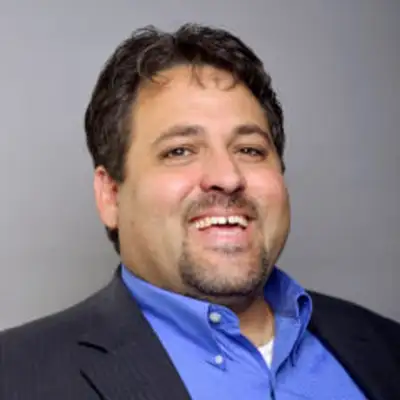
Welcome to another episode of IAMCP Profiles and Partnership, the podcast that showcases how Microsoft partners and IAMCP members boost their business by collaborating with other members and partners. I'm your cohost, Anthony Carrano, and today we're joined by Nigel Postings, founding partner of biscize, to explore how data driven decision making and genuine teamwork are reshaping the partner ecosystem. Before we jump in, want you to consider a few questions. How can transparent data sharing and mutual trust between technology partners lead to greater innovation and customer value in today's digital marketplace? And in what ways do data driven collaborations help both large enterprises and emerging channel organizations achieve sustainable growth and competitive advantages?
Anthony Carrano:And last, is your company's digital presence actually helping you find the right partners and clients? Or could a few simple changes make all the difference? Think about these things as you listen. You might find the answers to leveling up your partnerships are simpler and more data driven than you think. Let's dive in.
Anthony Carrano:Well, Nigel, welcome to the podcast. We're really glad to have you here.
Nigel Postings:Anthony, thank you. Looking forward to it. Excited.
Anthony Carrano:Yes. Excellent.
Nigel Postings:Even early on a Friday morning.
Anthony Carrano:Yes. Yes. Yes. But you're looking good nonetheless. Well, let's start off for those who don't, know, who are not familiar with you. Tell us a little bit about yourself and your role in the company.
Nigel Postings:Okay, so Nigel Postings, as we've said, so I'm the founding partner of biscize. We are, for want of better words, a data aggregator, predominantly focused in the channel. And so we work with any company that have channel to help them assess, recruit, analyze the market. My story background is, you know, over twenty five years connected to Microsoft as a partner prior to with digital. Joined Microsoft Consulting Services, then got excited about Partner, went across to the Partner team in The UK, came across worldwide and led worldwide through Partner Marketing and actually got close to the IAMCP on the other side, as we prepped for Worldwide Partner marketing and things like that worldwide partner conference as it used to be then.
Nigel Postings:So yes, I've been here in Seattle now twenty years and, still enjoying it. It's the weather's the same as UK, the, the, the, the dark and the light is the same as UK. So yeah, it's good.
Anthony Carrano:Well, you mentioned WPC. I'm sure then you and Rudy can swap some, swap some stories there.
Nigel Postings:Yes, definitely. Yes. We used to have access to all areas because we were the team that worked for Alison Watson, who was the leader at the time. So helping partners come on stage and I've got some good stories I could share probably off camera, but it's good times. Good times.
Anthony Carrano:Excellent. Excellent. And in addition, I mean, I hear that you're a big music aficionado and soccer fan.
Nigel Postings:Yes. Yes. Or football as we call it in England. Yes. So, yeah.
Nigel Postings:Oh right. My bad.
Nigel Postings:So, no, no, no, we're in The US. No. Yes. So, regular attendee at concerts in Seattle, downtown Seattle. Many British fans come across, so go there.
Nigel Postings:And sometimes the biggest stadiums at the the Seahawks Stadium. And then for football, you know, I'm I'm a big Stoke City fan, if anyone's heard of them. Now they're not in the Premier League anymore. And so my Saturday mornings have taken up listening and unfortunately with the TV now, the kicking off even earlier 12:00 in The UK, which means 4AM here. So it's tough.
Nigel Postings:It's hard being a Stoke fan anyway, but Scott even harder.
Anthony Carrano:Yeah. I don't know. I guess on demand is not it and watching it on demand is not in the future.
Nigel Postings:I'm trying to avoid knowing the score. That'll be the hardest thing.
Anthony Carrano:Well, that's great. So going back about with biscize, tell us a little bit more like with the company and like your the company's like lean like area specialization.
Nigel Postings:Yeah, so I thought biscize, I'd say it's in three areas really. Number one, we work with companies like Microsoft and companies like HP, SAP, where we help them assess their current channel ecosystem. Our partners promoting them, are they promoting their solutions? Is it what's the competitive pressures? With projects like with HP, we're also looking at capabilities of partners, what's their reach and so where are they in the partner program?
Nigel Postings:Assess is number one. Secondly, we do market intelligence. So we can look at any market. So think of cyber as an example, where we could look at the top vendors in cyber, analyze which partners are working with them, which solutions they're offering and also understand customer intent data, How many customers are visiting each partner? What type of solution are they searching for?
Nigel Postings:Are they searching for our clients? Are they searching for a competitive product? So that's success and intelligence and it really lets the client understand where they are, where they need to grow, where they may have gaps. And then thirdly, and this is where we started to work with Sherpa, we develop what we call digitally qualified leads. So we know everything about the company, not necessarily individual, the company, to know their performance, their applicability to any given solution or any given vendor.
Nigel Postings:We then work with Sherpa and take that data to another level doing outreach and that outreach can be anything from a digital campaign where you're then identifying partners or owners of partners and saying, hey, would you like to be a partner of Microsoft, a partner of a client? And then of late, we've also extended that to customer. So working with distis where we can work on behalf of Microsoft, going out to end customers and say, hey, are you interested in becoming using Copilot for example? So it's the data I'd say from Bisize, we're very precise on the data. Precise and biscize, that's how the name came by the way, one afternoon, many years ago.
Nigel Postings:But, you know, our data really helps you analyze your channel, helps you identify customers and what we're seeing more and more in the market is helping partners with those customer leads. And so saying here's a set of customers, they're pre qualified, they're not co pilots and they could be a co pilot user. With Sherpa they go out and then talk to the customer and then we handle these over to partners. So those are three things, assess intelligence and activation.
Anthony Carrano:Excellent, excellent.
Rudy Rodriguez:Nigel, I'd like to ask you a few questions because we wanna cover the story that made you a finalist for an IAMCP award. Can you tell us a little bit about how you connected with the company that you've just mentioned, Sherpa?
Nigel Postings:Yep.
Rudy Rodriguez:And then also tell us a little bit about the client. You don't have to share the client name or size or industry.
Nigel Postings:Yeah.
Rudy Rodriguez:But the technology that was implemented and what challenges that client was facing.
Nigel Postings:Yeah, so there's several projects. I'm not sure the specific one we did for the case study, but I've kind of mentioned the two kind of case studies. But to start off with Sherpa, introduced for another IAMCP member actually in Austria. So they made the connection and say, hey, I know Sherpa, they do this and I know you do data, you two should connect, know, P2P story. So with Sherpa, we've got a great understanding.
Nigel Postings:There's no real overlap in what we deliver. We're purely around the data and they're around activating that data. So we developed the story and then we've gone out to several clients now where we, number one, understanding what the business issue is. And as said many times it could be hey I need to recruit more partners. I have not got enough partners to do co pilot, enough partners to do Azure and so we'll go out and with our data understand who the partners out there, what's their capability and develop a very well qualified list and then working with Sherpa, they then nurture those leads to the point where if it's a partner, the owner of the business or the alliance director will say yes, I'm interested in becoming a partner of that company and we hand over to our client.
Nigel Postings:In the case of customers, and we're doing this more and more, we're identifying customers based on two things really. One, their thermographic data, which industry they're what revenue size are they, which country are they in, and then their technographic data, what technology they're using today or not using. And so we're able to identify that, we're able to score and assess those customers and then hand in hand with Sherpa, develop a campaign, the value prop of why that customer should consider moving to that technology and we execute that campaign and either with or on behalf of partners develop those leads. And so working with the clients, you know, we set out a very strict criteria of what success looks like, meeting the number of what we call either marketing qualified leads or sales qualified leads, and then hand those over to the partners on behalf of our client, which in many cases can be a disty.
Rudy Rodriguez:Excellent. Well, you know, these collaborations that you're doing don't just happen by accident. Can you tell us a little bit about what specific practices, frameworks or agreements that you put in place to make all these partnerships work?
Nigel Postings:Yeah, think we have a very open relationship. You know, number one, we know how a deal breaks down and in full transparency, Sherpa, because they've got people behind the activation and teams behind it, were a certain size of the deal and they're a bigger chunk, but it's very, very open in terms of where we go out and win deals together. We present together, we share the value prop to the clients, how we are as almost like one organization working together and then we execute, know, working with the key stakeholders and they may be the channel leads if it's customers or the channel program if it's partner recruit. So it's really helping the customer understand what the business problem is, how we can help solve that together with data and execution to help them grow and drive revenue either through recruiting partners or finding customers on behalf of those partners.
Rudy Rodriguez:What market size do you primarily focus on?
Nigel Postings:So, great question. I typically say for a customer of this size, they typically have to have probably 2,000 partners or more. Everything that we do, we're a data aggregator, You could do on the desktop, it's all public information, but you know, built a platform on Azure, you know, we extensively use SQL and we're moving towards being more of a data service than a project based company. But yes, so typically customers 2,000 more, so that tends to be large enterprises, but not withstanding that we also work with smaller companies as they're developing a channel, also in some cases not even have a channel yet. And then they start to understand the value of indirect or channel sales in their organization.
Nigel Postings:So we just signed a deal with a company that's to date has got 290 partners and they want us to globally help them scale their organization and look for the next twelve months, over 500 partners that are well qualified, understand the business. And then with Sherpa, for the client, can deliver a full service as well. We can also help develop the value prop. Because it's one thing identifying the right company, two identifying the right individual within that within that company, industry, but it's then sharing the value prop, why they should change, why they should build a practice, say with Microsoft. And so having that right value prop, that's important, sure, but also use that as part of the delivery if needed.
Rudy Rodriguez:Anthony, do you have some more questions?
Anthony Carrano:Oh yeah. You know, said, well, no, that's, that's excellent. Let me ask you this, Nigel. I mean, can you share a time when a partnership didn't go as planned and like what did you learn about resilience or leadership from that experience?
Nigel Postings:I'd say partnership, you know, when I look at, when I engage with companies, I think of four things, you know, I'd often do, let's say cold calls, and when I, not as an end customer, I look at someone I could sell to, they could sell to me, we could work together or shake hands and say, hey, let's meet in six months. So partnerships have had somewhere they don't understand the value we bring and think we're just a list provider and that never works. So what's good with Sherpa, understand, you know, we know the market. Very often sometimes there are clients that we're bringing Sherpa into. So there's a level of trust there.
Nigel Postings:So yeah, if the partner we're working with doesn't understand the value prop, can't articulate your story well to their client, and also if they're protective of their client and are you in front of them and you're kind of behind the scenes, sometimes I don't think that works well. So I think it's a full collaboration where you're very upfront that you are two organizations working together, that collectively the services you add can help solve the problem with the client. So I think that's very successful. I've had other situations where I had companies work on my behalf, developing leads for me and it's not been very successful. They sell you their top player and then bring in the B team and it soon fails.
Nigel Postings:I'm sure we've all experienced that.
Anthony Carrano:What about in your experience? What does like high trust networking look like in practice and how do you measure whether it's working or not? Like when you're finding partners to collaborate with?
Nigel Postings:I think it's, it's, it's one, I mean there's a level of trust across many things. I mean, the financial agreements you have between yourself is very transparent, very clear. So very often you work on one paper. Be, we have the agreement with the clients. And so there's a complete open trust there and how you develop the statement to work when the money comes in, how you're get paid.
Nigel Postings:It's understanding the roles and responsibilities. And you know, one client working with at the moment with Sherpa, the lead for the client happens to be in Europe, so it makes sense. They are working as precise on this particular deal and open working with the clients, very, very successful. So it's been able to trust the other partner explicitly with your clients because we all know finding clients is hard, but you've got to keep them because that's easy to keep the clients and deliver again and again. If you don't have that trust between the two of you because very often we are more on the backend, you know, we're the data, it's the execution with the client that the Sherpa, you know, tend to do more.
Nigel Postings:And so it's that level of trust you can bring them in, deliver and be very confident in front of the clients of what we're delivering together.
Rudy Rodriguez:Well, Nigel, I've got a follow-up on that. You know, we've we've we're entering this whole new era of of computing taking place. With AI and automation reshaping the partner landscape, what's one area where you see partners both leveraging and or underestimating the opportunity?
Nigel Postings:I think, you know, we actually in the Seattle IAMCP group, we've started this small group now where we're starting to work together in P2P where we meet every week and we're trying to understand one across five or six areas, can we build a solution? And AI is very much part of that. Think everyone's starting to develop AI into their system, copilot and other things. You could overuse things like copilot, gotta sure it's still your IP and it can get you 80% of the way there I think, but you need to still put your touch on it. So I think it's understanding, you know, to stay relevant in this world, you've got to develop those skills.
Nigel Postings:You've got to understand that when you're selling that it's different buyers now, it's a different buying cycle. The client may have as much knowledge of AI than we do. So it is important, very much so, and then how you lead with that in front of the client is critical at the moment.
Rudy Rodriguez:So if another partner wanted to replicate the success that you've had, what's the one principle or mindset shift that you would tell them to adopt to keep technical people and customer value in harmony?
Nigel Postings:I think number one, it's understanding your lanes. Where do you start and stop? Where does your partner start and stop? And then maybe some overlap. It's understanding you're driving to the same outcome.
Nigel Postings:If both of you are successful, the client will be successful and then you carry on working. Again, I'll go back to it's that level of trust that you trust the other partner to build, deliver and execute working to those continual aims of success with clients. So I think it's knowing what you both do, where you work collectively together and where you can be successful for the client and where you are in relationship to the client, know, who's driving what and where. And then the client knows your two organizations but knows your one delivery team. I think that's critical. They see you as one even though you're two.
Rudy Rodriguez:Very good. Anthony?
Anthony Carrano:Yeah, So when you're working and it's interesting, if I understood correctly, work, I know you do work with smaller partners, mainly on the enterprise side, correct?
Nigel Postings:For the client, yes. Yeah. The client tends to be in the enterprise. Yes. So, and it was in technology. We've done telco because data is data, but we found a niche in the technology space with large enterprise clients.
Anthony Carrano:And so with that, you know, I would imagine, you know, with a lot of these these enterprises, I mean, they've got a lot of resources and capabilities and
Nigel Postings:Yeah.
Anthony Carrano:and that and so how do you, when you're going into these, how do you balance, you know, biz sizes, capabilities with maybe their strengths to ensure that the customer experiences, the customer experiences have, like there's a seamless value rather than just, you know, you know, two guys working side by side.
Nigel Postings:Yeah, I think, you know, our biggest client that we've been working with for four years now, you know, we've worked collectively together. They know that we use external data and they work with us to say, you know, if it's two competitive platforms that provides the same, which is the best for our clients? So, you know, the clients at the end of day has an option. They have the technology themselves, they can buy it or they can use companies like biscize. So it's seeing the value.
Nigel Postings:Think what's critical once you kicked off a project, you know, we think of the personas that we sell to or work with are the lead of channel programs, the lead of channel marketing or the lead of channel sales. But another key team is the data team. If you've got success with the data team that you can, you know, with the one client over the last four years, we've been giving quarterly updates of the performance of their channel and giving the data so the data team can seamlessly then ingest that. And so they can then report out on the performance of the partners. And in that case, deciding which partners access to MDF funds and who doesn't based on their performance.
Nigel Postings:So I'm not sure if that's the question, but I think it's the level of trust and relationship upfront to have you got the right solution. And I'd say our solution is 80% consistent and there's always that 20% that's very specific to that client. Know, because they're in a different market, different countries, different size of segments are going after different industries. We see when we work in the ERP space, see different results when we're working with the hyperscalers. So different markets, but 80% is baked solution and that 20% is very specific working with a client to really understand what they want and how they consume and what outcomes is that solution driving.
Nigel Postings:You know, what are they going to do with the data? Because if they can't do anything with the data then neither is set up for success.
Anthony Carrano:Yeah. Now you mentioned that a lot of times it's using external data. Are you ever utilizing their internal data sets?
Nigel Postings:Yes. Obviously, there's a, you know, when we do an assess, one of our best projects is with, you know, one of the large hyperscalers in Redmond, they give us their data and the minimum data we ever require is the name of the company, their websites in the country, but sometimes give other data and it could be share of MDF funds. It could be potential revenue they access to. So there's a level of trust, maintaining the integrity of that data that's kept there. And sometimes you mix the internal data with the external data when you assess the channel, when you come up with some scoring. We're working on a proposal at the moment exactly like that.
Nigel Postings:A combination of here's internal data about my partners, they're managed and unmanaged, this is the revenue that's driving for us, this is the investment of funds, map that with our external data, you have a 360 degree view of performance. So it can be very impactful. So yes, it can be combined internal external data.
Anthony Carrano:Okay. Do you ever have a situation because you mentioned earlier where you're looking at like with intent data, where you see, differences in like, Hey, this is what we're seeing from a, an our external dataset versus what they present you with their, on their internal dataset. And how do you, one of you ever encountered a situation where you're like, there's these, the data is telling us there's two different things that are telling us. And how do you go about reconciling that with the cut?
Nigel Postings:Yeah, I mean, there's, there's a, there's, there's two levels of data Level one is, let's call it the macro level. When you're looking at the £500 in The UK or the £10,000 in The US and you can give them some insights. Hey, did you know you've got more and more partners now promoting another vendor, which they might, and you know, going back to my days of myself, we used to have a chief operating officer, Kevin Turner, that always talked about revenue, but don't forget share. Because if you could be grown with that partner or with that company, but if they're growing bigger and another new competitor's gaining their share more and more. So part of our outcomes is what share of mind have you got with this partner?
Nigel Postings:They're promoting you, but also by the way, they're promoting other companies. And when we look at the customer intent data, there's higher demand for your competitor than there is for you. Know, because one of the outcomes for us is if our client develops a campaign, that campaign should land on the partner's website and then you can validate that's a validation but also they can start to see okay, our customers going to a partner asking for that and how does that compare to the competitor. So that's the main difference. You know that, yes, I'd say that's the main difference. Around the sharing while it's in customer tent.
Anthony Carrano:So I do have, I got one more data question.
Nigel Postings:Yeah.
Anthony Carrano:Is, and this would be so specifically for let's say the smaller partners.
Nigel Postings:Yep.
Anthony Carrano:What would be one piece of advice you would give those partners say, listen, but looking to want to build out your own channel that you got to make, you know, just one piece of advice around the quality of their data. Just, you got to say that you got to make sure you got to keep this in mind before you even think about doing partner outreach and building a program from a data perspective. What's the one piece of advice you'd recommend?
Nigel Postings:So I'd probably start with that. I mean that you sell in one or two ways you sell to people, face to face or you sell digitally. So I think we work with another client who actually works with companies like Microsoft where having the partner have the right website that has the right messaging on there so they can be found. Hygiene on the website, have you got the right keywords? Are you coming up in a search, if someone's searching for a co pilot partner in Atlanta, are you going to be found?
Nigel Postings:So that's number one because if you're not found that's the biggest issue. And what we're seeing, when we work with vendors and partners who engage them, it's getting tougher. Partners are finding tougher in certain areas. I mentioned ERP, it's getting tougher and tougher to sell. So it's a combination of your digital outreach to engage with customers that you're not going meet face to face.
Nigel Postings:Hygiene of your channel that you've seen as positioning the right technology, you have the right capabilities so that you can be found, that's the number one. And that's what basically when we come out with a score with some other clients, that's what we give them. We're saying, hey, they're in the top quartile because they've got all the right keywords, they've got the right traffic going there. So this is a part they should invest. By the way, these ones, they haven't got the right keywords, haven't got the solutions, they're not promoting your brand.
Nigel Postings:So maybe you need to work with them to do that. And very often we did one project where with one vendor, they got us look at 100,000, what we call the long tail. So partners are not being engaged with for a long time. And so there's some goodness in that long term and so those partners can be promoted up. So we see a lot of events at the moment thinking where should I focus, which partner should I work with as AI becomes more prevalent, who's got the capabilities.
Nigel Postings:So we can give them those insights.
Anthony Carrano:Excellent. Well, I've got one more question here for you and it's, going back to like around partnerships. So if you can, you know, give your younger self one piece of advice, about building partnerships in this ecosystem, what would it be?
Nigel Postings:Thinking of the audience, I mean, my advice now is I've worked with large enterprises. I've worked within large enterprises, Digital, Microsoft, KBG. Take the risk earlier, maybe with your own company, and don't be fearful. Sometimes if you go to our website and you look at the logos, I think we're a very small company, but some of the logos we work with, anything's possible. I think that's advice.
Nigel Postings:Take risks, risks, And then the other piece of advice is always focus on what the customer wants, not what you can deliver. And I've learned that the hard way. You know, you start a conversation, we can do a, b, b and c, but they don't want a, b and c, they want f. So listen to the customer, deliver what they want rather what you can do.
Anthony Carrano:That is an excellent, excellent piece of advice Nigel. Well, really appreciate you being on. What are some of the best ways folks, you know, who want to reach out to you? How can they get a hold of you?
Nigel Postings:So number one, I'm on LinkedIn. So reached out to me on LinkedIn. I'm using that more and more to try and promote because I think LinkedIn, when people validate you, they can say, oh yeah, Nigel, he works for biscize, he's worked for Microsoft. So that's number one. Obviously our website, which is available.
Nigel Postings:Best of all, call me. I use my phone number on LinkedIn, promote it there, on my signature, and love to chat and just love to explore. As I say, any conversation you're going to, I look at four outcomes. Can I sell to you? Can you sell to me? Can we sell together or buy this meet again in six months?
Anthony Carrano:Excellent, excellent. And we'll be sure to have those links in the show notes show notes in the episode. So Nigel, this was fantastic. Really appreciate your time. Enjoy that football. And you have a great rest of the day.
Nigel Postings:Okay. All right. Thanks both.
Anthony Carrano:All right. Well, that wraps up another episode of Profiles and Partnership. Before we do, I want to share maybe a couple of thoughts or some things I thought were really, really intriguing, especially how he was coming at, you know, from just working from a data and then enterprise and understanding the partner ecosystem. Thought there were a lot of really just fantastic insights. Rudy, what were some things that really stood out to you?
Rudy Rodriguez:Well, there was a couple of things that came up, and one was a great idea that he presented regarding IAMCP and how their P2P groups are meeting on a week a regular basis, weekly
Nigel Postings:Mhmm.
Rudy Rodriguez:and are trying to figure out how they can be build better solutions for their customers, understand more about their particular businesses, and can they create solutions. So I think you know, that are going to help their customers. And I think that's that's a real useful tip for IAMCP chapters across the world is to work better together and and look at at delivering solutions on a more long term basis versus just the immediate opportunity that that's in front of you. I think that's something that's very worthwhile, advice. The other thing that he mentioned was about having the right data hygiene on your web on your website, And that's something, you know, that we promote quite a bit.
Anthony Carrano:Mhmm.
Rudy Rodriguez:You know, having having the right keywords, having positioning the right technology, promoting your capabilities, and promoting the right brand so you can be found. And and that's really important. And that's something that I don't think a lot of partners spend time on in understanding how that is going to help them be found and and how how that makes your success much more achievable. Because when people start looking for partners, they're looking for a lot of very particular terms, and that's how you can be found. So I think that would help promote partners much, much better.
Anthony Carrano:Yeah. I found the the the insights and the conversation around data really be intriguing. I hope a lot of partners, you know, take it to heart, you know, especially, I mean, obviously, you know, you know, from the, you know, the sales and the marketing angle, obviously, there's a lot of conversation about, you know, data quality, security and governance as it pertains to, you know, things around with AI. And so I just I just found that really insightful. I know there, you know, the data hygiene piece I thought was really good.
Anthony Carrano:The other thing around data I thought was a good point is when he was talking about this, you know, as it pertains to like share of mind. So even as like you, you know, as you're selling, you know, you know, with and through, you know, partners as the revenue, you know, increases, you know, are you maintaining, you know, that that share of mind? And I think a lot of times folks just they kind of take it for granted and they don't realize they have to continuously keep, you know, communicating their value props, stay in front, stay relevant, you know, focus on, you know, what they want, not necessarily what you can deliver, right? So you can stay ahead on that share of mind. So I really appreciated him sharing that, you know, with with our audience.
Anthony Carrano:The other thing is when you talked about like, I know you asked a question about how can you like with replicating success, you know, in the partner ecosystem, and you really hit on, you know, just three areas of to maintain understanding, right? So you can see it, you know, from from their perspective, like one, you know, make sure as a partner, you understand your lanes to understand, you know, that you're all driving to the same outcomes, you know, for that customer success. And then number three, always understand where you're at in the relationship, you know, as it pertains, you know, to the client. And so I thought that was some really good advice for folks listening in.
Rudy Rodriguez:And if I could add one more comment, there was one sentence that he mentioned about building your partnerships and building customer solutions, and it was don't be fearful, take risk, and focus on what the customer wants.
Anthony Carrano:Absolutely.
Rudy Rodriguez:Okay. Wanna thank you for joining us on this episode of IAMCP Profiles in Partnership powered by Dunamis Marketing. We hope you enjoyed this podcast and find it useful and inspiring. If you did, please subscribe, rate, and review us on your favorite podcast platform. One of the best ways to partner for success is to join IAMCP, a community of Microsoft partners who help each other grow and thrive.
Rudy Rodriguez:IAMCP members can find and connect with other partners locally and globally and access exclusive resources and opportunities. Whether you're looking for new customers, new markets or new solutions, IAMCP can help you achieve your goals.